If you have shopped for sweatbands, towels, or activewear lately, you have probably noticed bamboo everywhere. Products often pair the word with leaves, green checkmarks, and terms like “sustainable” or “planet friendly.”
That raises a fair question: is bamboo really an eco-friendly material, or is it simply another example of greenwashing?
The answer depends largely on how the product is made. Bamboo can have environmental advantages as a crop, but those advantages do not automatically carry over to every finished bamboo textile.
Understanding that difference can help you make more informed choices when buying bamboo sports accessories.
What Does “Bamboo Fabric” Actually Mean?
Most bamboo textiles are not made by weaving raw bamboo stalks directly into fabric. Bamboo is typically processed into pulp before being converted into a soft, spinnable fiber.
In the United States, the FTC’s guidance states that textiles made from bamboo through processes that create rayon or viscose should generally be labeled accordingly rather than simply marketed as bamboo.
That distinction matters because processing can significantly change the environmental profile of the finished material.
A product can begin with bamboo but still involve chemical processing before reaching consumers. Therefore, shoppers should look beyond the word “bamboo” and consider what the brand actually says about its materials, manufacturing, certifications, and packaging.
The Environmental Case for Bamboo as a Raw Material
Bamboo has several characteristics that can make it an attractive agricultural material. Certain species grow quickly and can regenerate from their root systems after harvesting.
Depending on the species and growing conditions, bamboo can also require fewer agricultural inputs than some conventional crops. However, these benefits vary, so bamboo should not automatically be considered environmentally superior in every situation.
The processing stage matters just as much.
Research into bamboo fiber processing, including work available through ScienceDirect, has examined how different extraction and manufacturing methods affect the environmental footprint of bamboo-based fibers.
The important takeaway is that the plant itself is only part of the story. Manufacturing methods, chemical use, energy consumption, and wastewater management can all influence the final impact.
Where Bamboo Products Can Fall Short
Bamboo is not automatically sustainable simply because it grows quickly.
Some bamboo species can spread aggressively outside controlled growing environments. Research from University of Maryland Extension explains how certain varieties can become difficult to control when they spread beyond intended planting areas.
Textile production presents another consideration. Turning bamboo into soft fabric can require chemical processing, which makes responsible manufacturing and wastewater management important.
That is why shoppers should look beyond the raw material and ask how a product was manufactured.
For a closer look at our own sourcing approach, our article on Where our bamboo products actually come from provides more information about our supply chain.
What to Look For When Buying Bamboo Sports Accessories
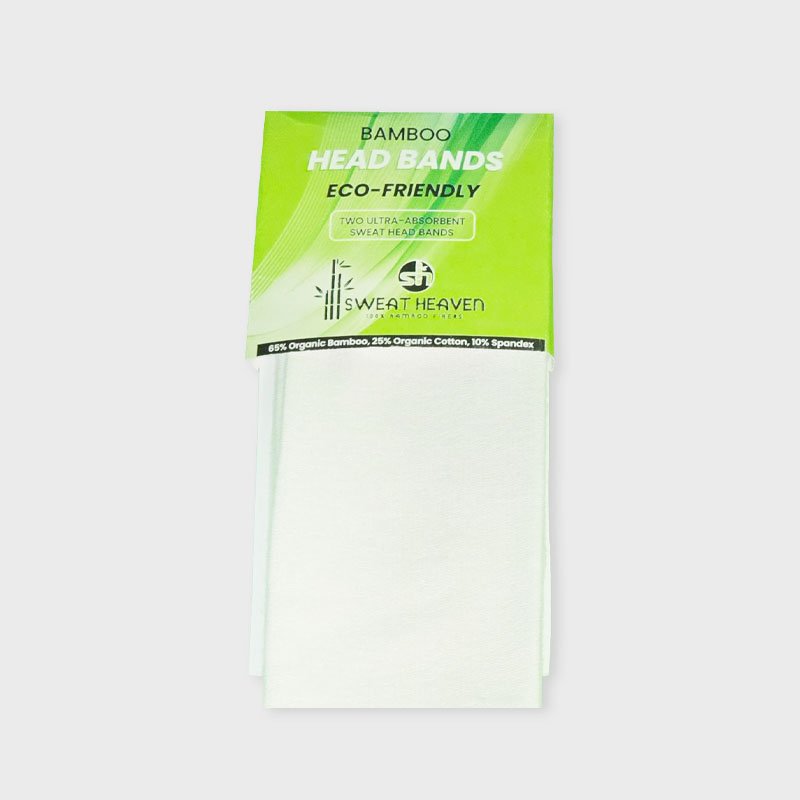
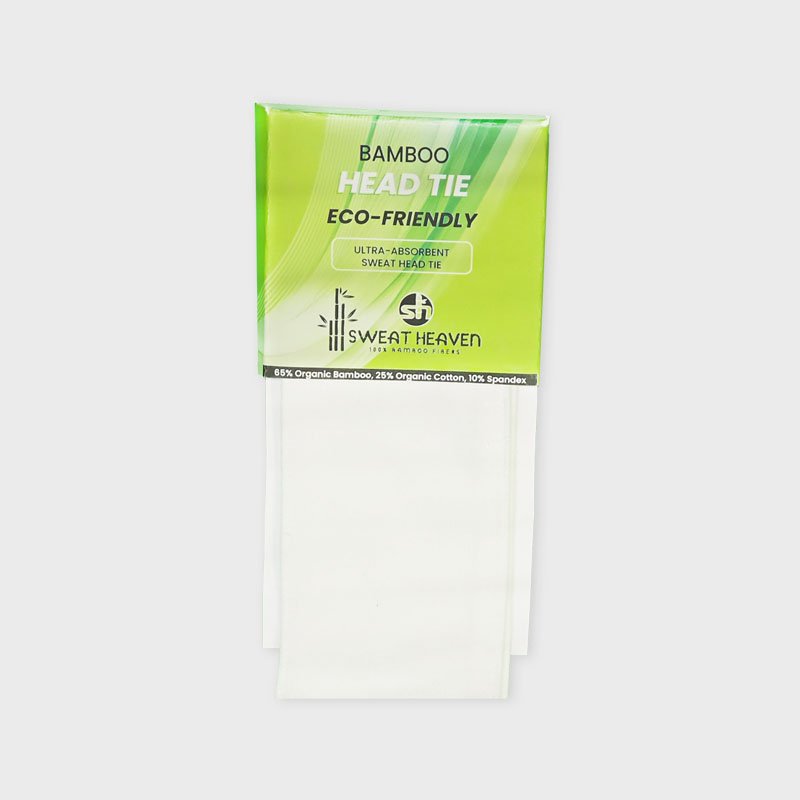
If you want your next bamboo wristband, towel, or headband to match its environmental marketing, look beyond the word “bamboo.”
Start by checking the fiber content. If a product contains synthetic blends, that should be clearly stated. Packaging also matters if you are specifically trying to reduce plastic use.
Certifications can provide another useful signal. However, make sure you understand what a particular certification actually covers. A certification related to agricultural production, for example, does not necessarily tell you everything about how the finished textile was processed.
You can also look for information about dyes, finishes, packaging, and manufacturing practices.
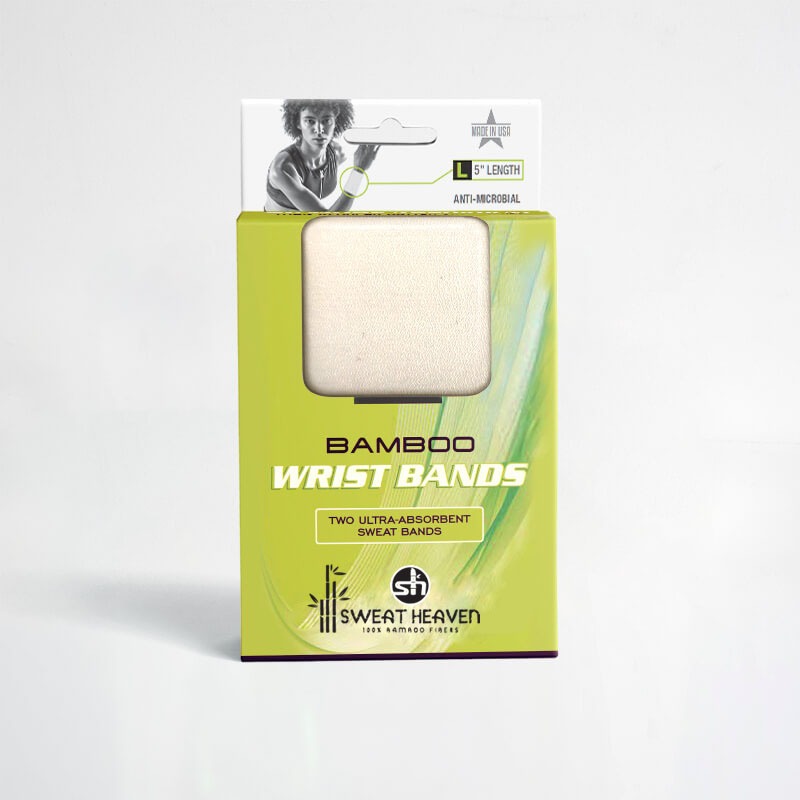
For a practical example, our bamboo wristbands provide information about the materials and construction rather than relying on the word “bamboo” alone.
What About Skin Comfort?
Sustainability is not the only reason shoppers consider bamboo-based sports accessories. Comfort and feel can also influence the decision.
Soft, breathable fabrics can be appealing for products worn directly against the skin during exercise. This is particularly relevant for people searching for the best towel for acne-prone and sensitive skin, although individual skin needs vary.
Rather than assuming that every bamboo product will work the same way, check the actual fiber composition and construction. Avoiding unnecessary synthetic blends or coatings may also matter to shoppers who prefer simpler materials.
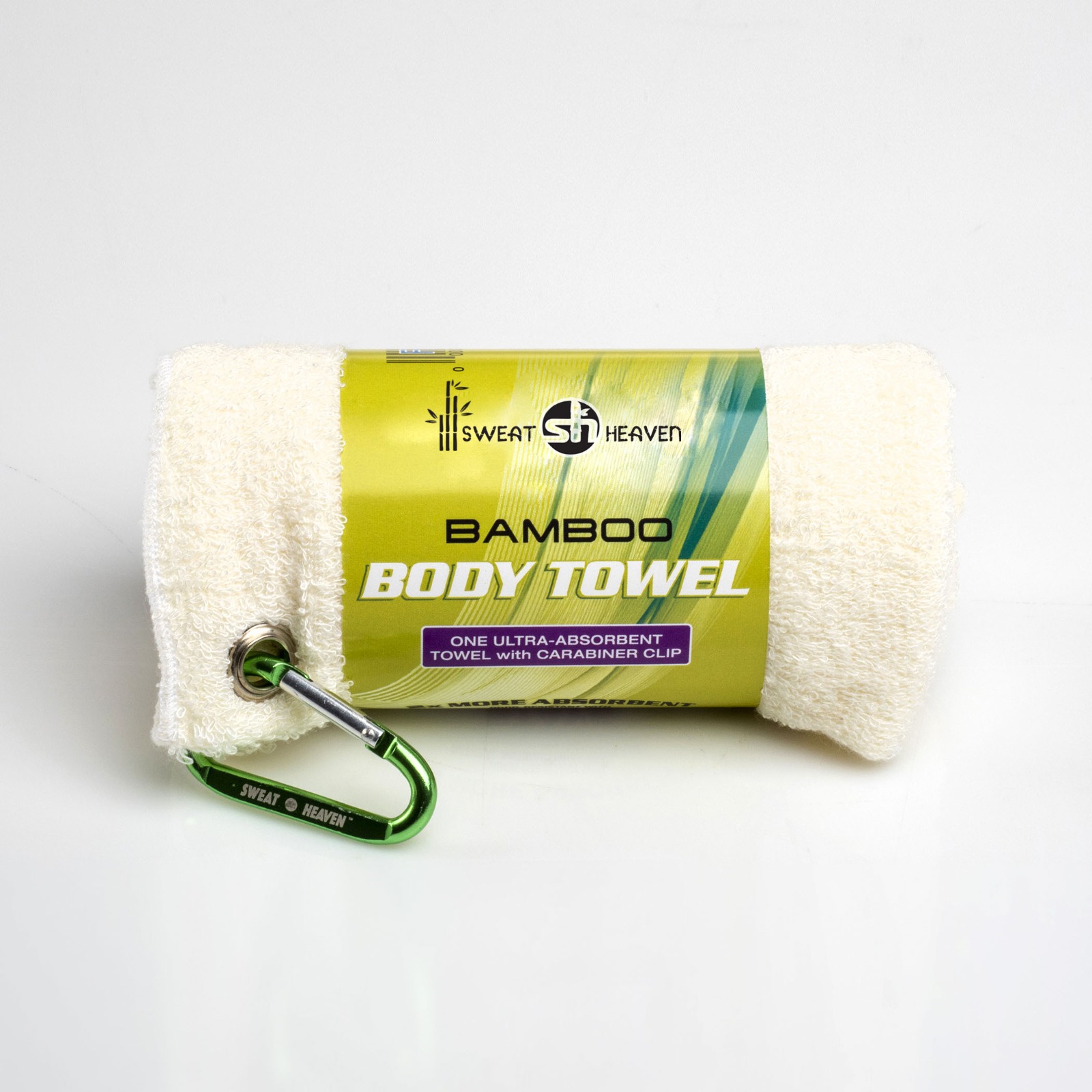
Our bamboo body towels are designed with softness and everyday comfort in mind.
How SweatHeaven Approaches Bamboo Sourcing
At SweatHeaven, we believe the environmental story of a product should go beyond the raw material.
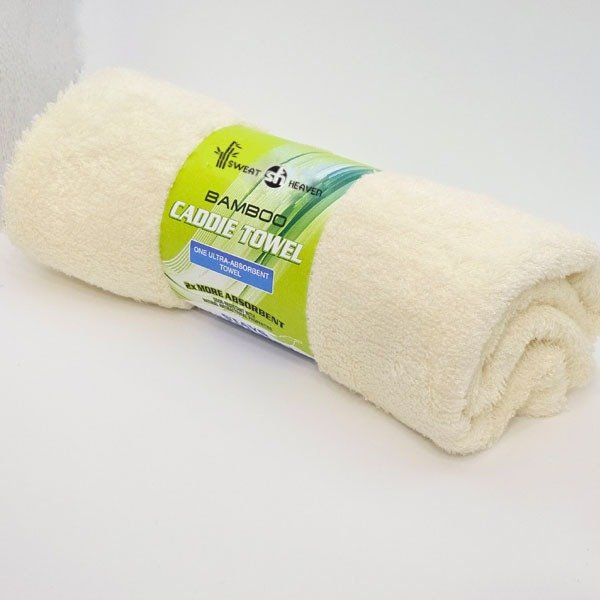
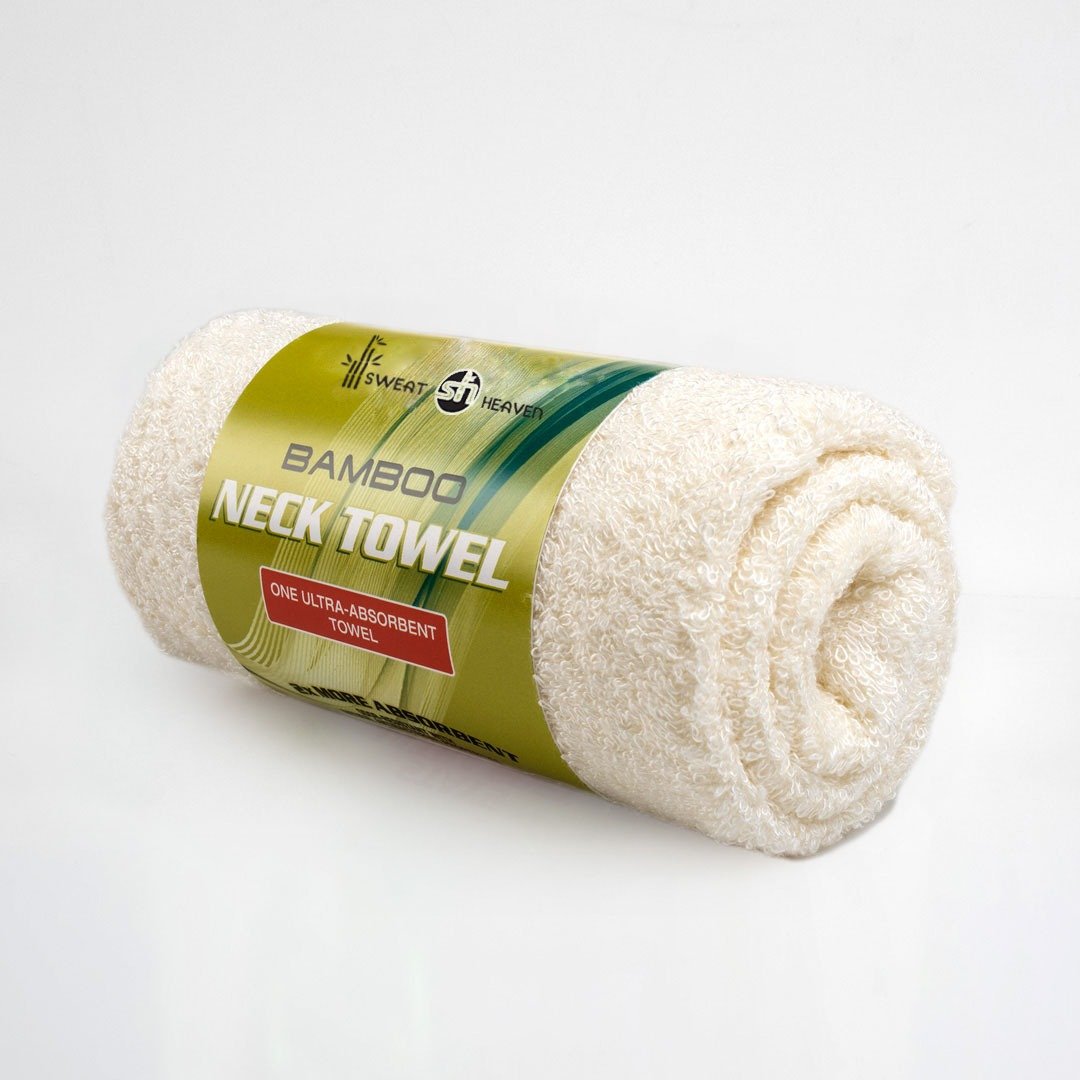
Our towel and sweatband products use 100% bamboo fibers, without synthetic blends. This reflects our focus on keeping the material composition straightforward for customers who specifically want bamboo-based sports accessories.
The same approach applies to accessories designed for active use.
For court sports, our bamboo wristbands are designed for shoppers looking for a best tennis wristband option that combines softness with sweat management. We also offer arm sweatbands for training and other activities where managing moisture is important.
As with any sustainability claim, shoppers should look at the specific product information rather than relying only on broad environmental language.
The Bottom Line
Bamboo is not automatically eco-friendly simply because it comes from a plant. At the same time, its environmental benefits should not be dismissed simply because some bamboo textiles require chemical processing.
The more useful question is how the bamboo was grown, processed, manufactured, and packaged.
Look for transparent fiber information, relevant certifications, responsible manufacturing practices, and clear claims about what the product contains. Be cautious when a brand relies heavily on words like “green” or “natural” without explaining what those claims mean.
When the sourcing and manufacturing details support the claims, bamboo can be a compelling material for sports accessories.
For shoppers, the best approach is simple: look beyond the bamboo label and check the evidence behind it.
Frequently Asked Questions
Bamboo can be an environmentally friendly crop, but the finished fabric depends on how it is processed. Chemical processing can reduce some of its environmental advantages, so shoppers should look beyond the bamboo label.
Bamboo can require fewer agricultural inputs than conventional cotton, but the comparison depends on farming and manufacturing methods. Neither material is automatically more sustainable in every situation.
Bamboo viscose is made by chemically processing bamboo pulp into fiber. Its environmental impact depends on the chemicals, energy, water management, and manufacturing practices used during production.
Some bamboo-based fabrics may biodegrade under appropriate conditions, but you should not assume every bamboo textile does. Fiber type, blends, dyes, and finishes can all affect how a finished product breaks down.
Look for specific information about fiber content, certifications, manufacturing, and environmental claims. Be cautious when brands use broad terms like “100% eco-friendly” without explaining how the product supports those claims.
Bamboo-based fabrics can feel soft and comfortable against the skin, making them appealing for people with sensitive skin. However, individual reactions vary, so checking the fabric composition and finishes is still important.
Pure bamboo-based fibers are not plastic fibers, but some products contain synthetic blends or finishes. Check the complete fiber composition if avoiding plastic-based materials and microplastic shedding is important to you.
Check the fiber content, certifications, packaging, and manufacturing information. Look for brands that clearly explain their materials and avoid making vague environmental claims without evidence.