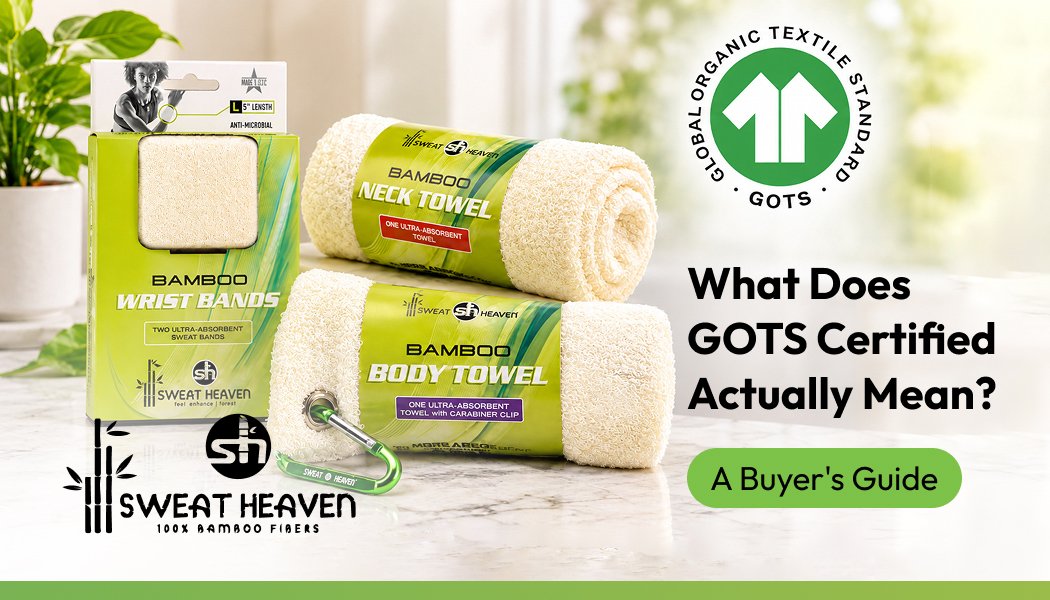
GOTS (Global Organic Textile Standard) is the world’s leading third-party textile processing certification for organic fibers. Unlike basic organic farming standards, GOTS audits the entire supply chain from farm to finished garment enforcing strict toxicological bans on synthetic pesticides, heavy metals, formaldehyde, phthalates, and PFAS, while requiring mandatory wastewater treatment and binding International Labour Organization (ILO) social standards.
1. The Science of Sweat: Why Toxic Textiles Matter Most During a Workout
Many active individuals prioritize organic food and clean skincare, yet overlook the synthetic chemicals resting directly against their skin during physical exercise.
Does Sweat Cause Your Skin to Absorb Chemicals From Clothing?
Yes. During physical exertion, body heat rises and sweat production increases, causing skin pores to dilate. Moisture acts as a liquid carrier that accelerates transdermal absorption the process by which chemical residues present in synthetic or conventionally processed fabrics transfer into open skin pores.
[Elevated Body Heat + Heavy Sweat]
              │
              ▼
    [Dilated Skin Pores]
              │
              ▼
[Moisture Dissolves Fabric Residues]
              │
              ▼
[Accelerated Transdermal Absorption into Skin]
              │
              ▼
  [Skin Irritation & Systemic Exposure]
What Toxic Chemicals Are Lurking in Standard Activewear?
Conventional activewear and standard cotton garments frequently undergo heavy chemical processing to achieve vibrant colors, wrinkle resistance, or moisture control. These processing inputs often leave behind measurable traces of hazardous substances:
Formaldehyde Resins: Applied to prevent fabric shrinkage and wrinkling; a known skin sensitizer and carcinogen.
Azo Dyes & Heavy Metals: Used for deep fabric coloration; can release aromatic amines linked to severe skin allergies and long-term health risks.
PFAS (“Forever Chemicals”): Added to synthetic activewear for water and stain resistance; persistent chemicals associated with endocrine disruption.
Phthalates: Used in plasticized screen prints and synthetic fiber finishes; recognized hormone disruptors.
Choosing certified organic textiles ensures these hazardous processing chemicals never come into contact with warming, sweating skin.
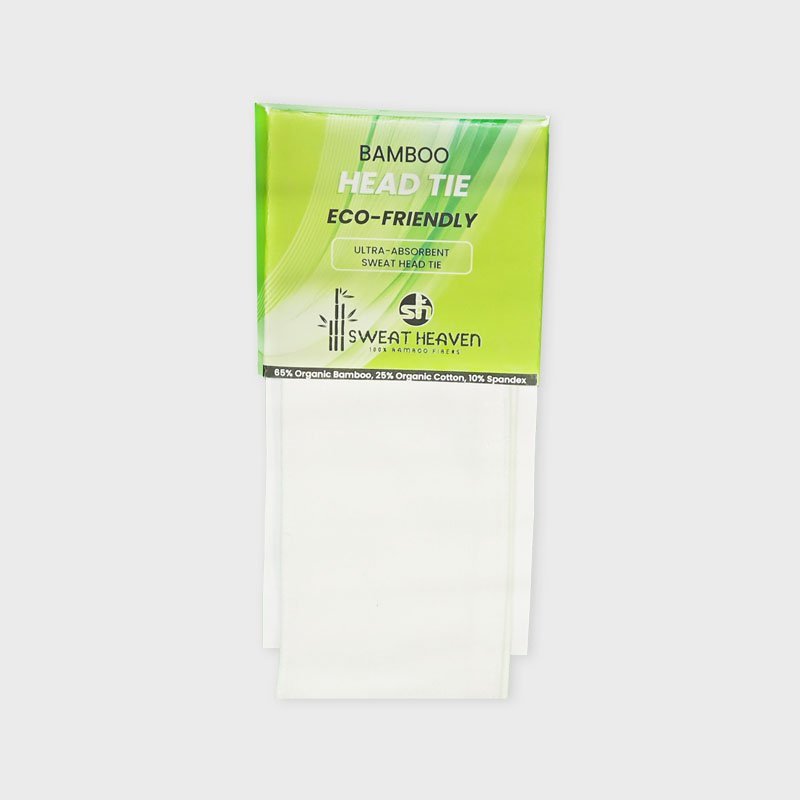
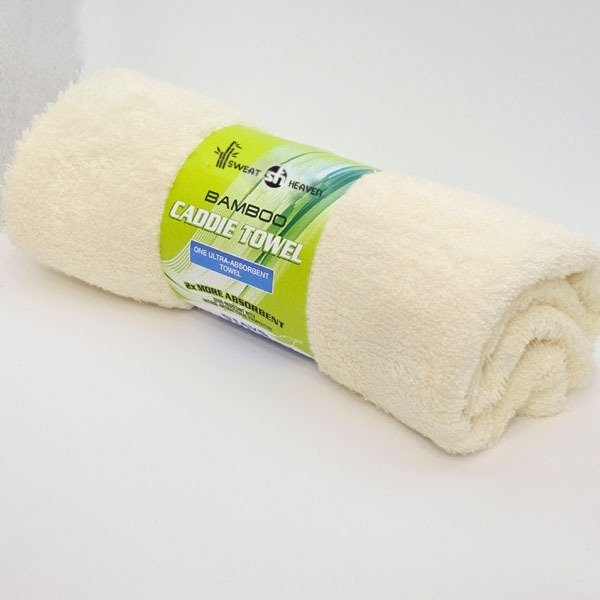
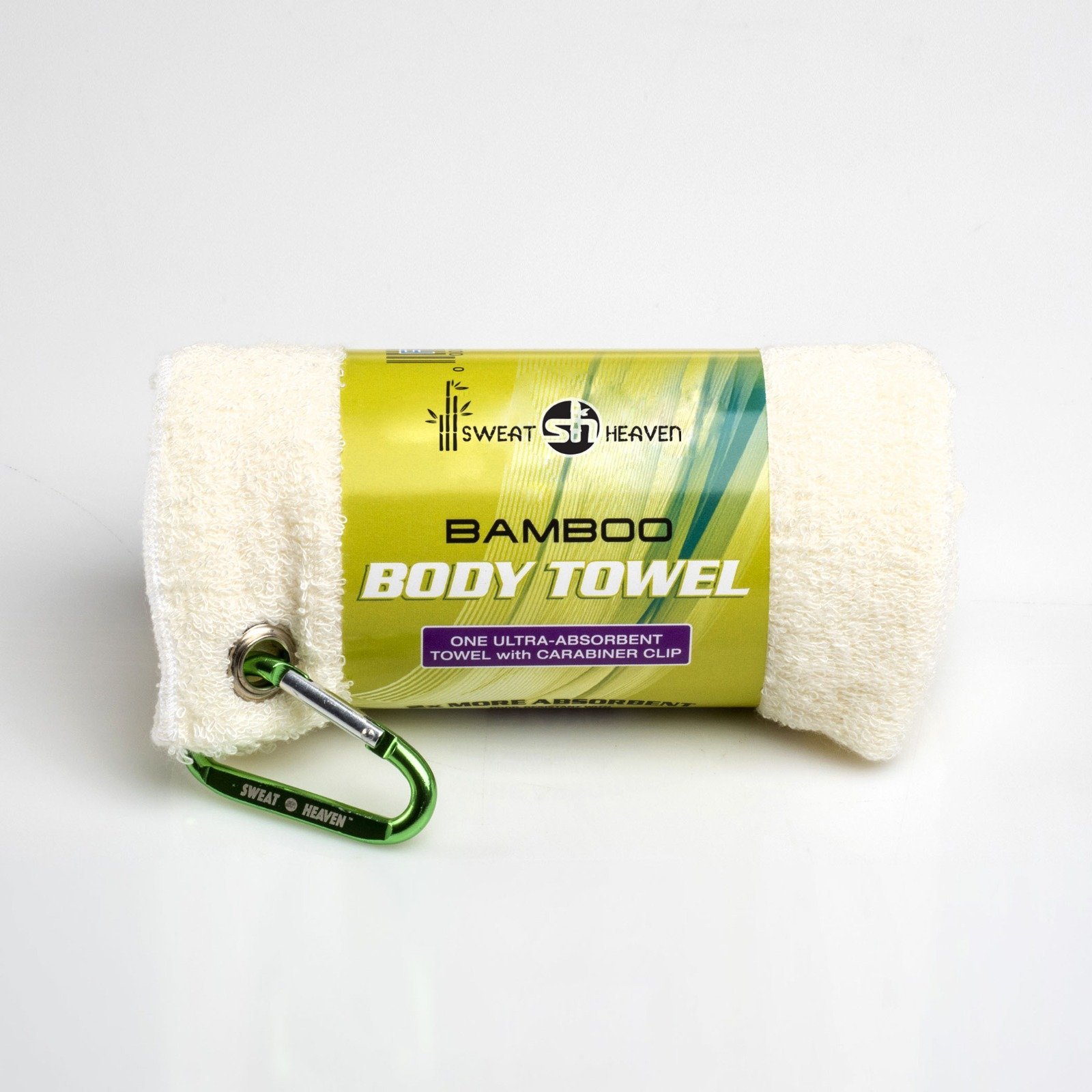
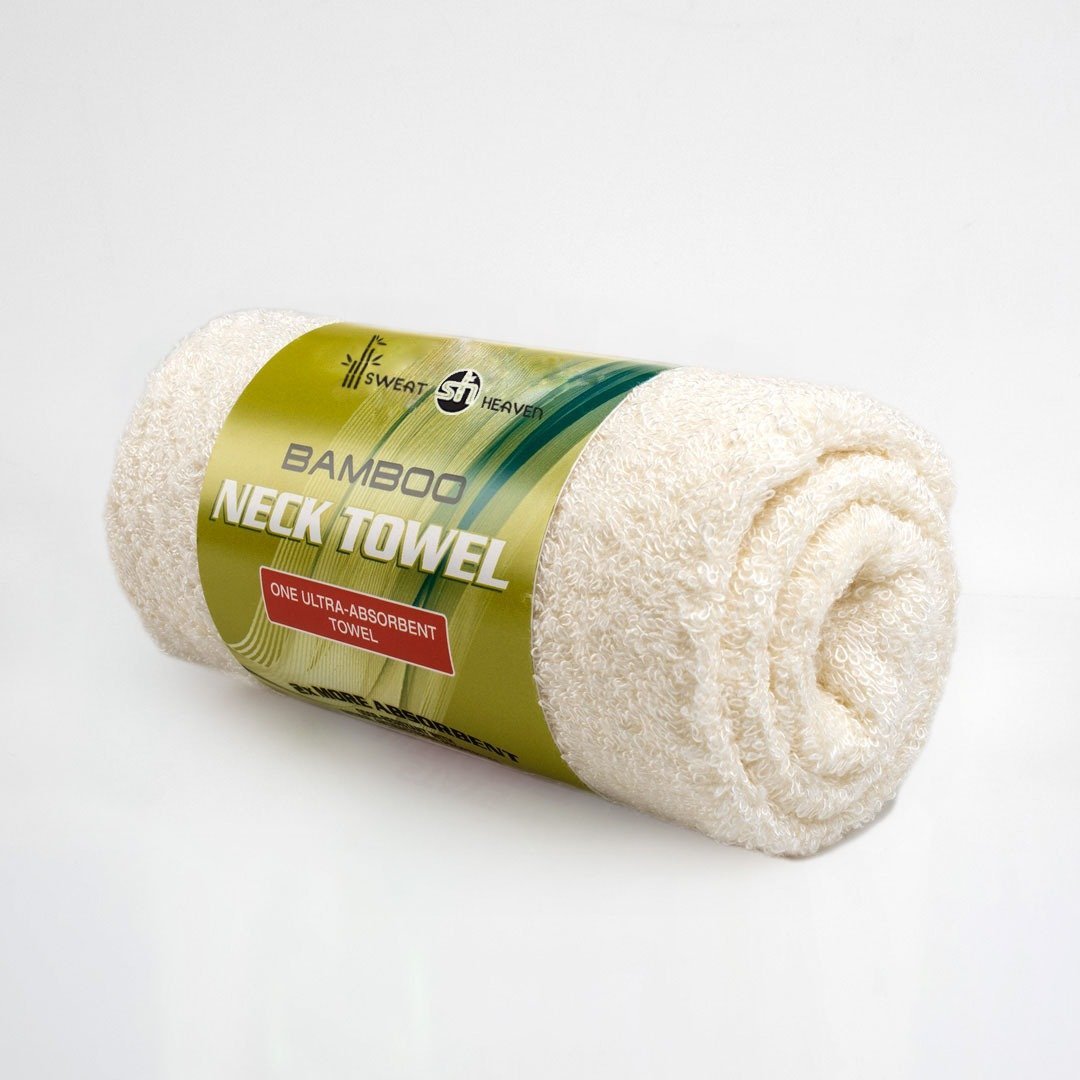
Comfortable workout accessories like our bamboo neck towels can help manage sweat during physical activity.
2. What Is GOTS Certification? (It’s Not Just “Organic Cotton”)
A common misconception among shoppers is that a garment made from “organic cotton” is automatically clean, non-toxic, and ethically produced.
What Is the Difference Between Organic Cotton Farming and GOTS Certification?
Organic cotton farming refers solely to how the raw agricultural crop is grown in the field—without synthetic fertilizers, toxic pesticides, or genetically modified (GMO) seeds. However, once that raw organic cotton leaves the farm, conventional factories can still bleach it with chlorine, dye it with heavy metals, and print it with toxic inks.
GOTS certification bridges this gap by auditing the entire manufacturing chain:
┌────────────────────────────────────────────────────────────────────────────────────────┐
│                          THE FULL GOTS CERTIFICATION CHAIN                             │
└────────────────────────────────────────────────────────────────────────────────────────┘
  [Organic Farming] ➔ [Ginning & Spinning] ➔ [Wet Processing & Dyeing] ➔ [Garment Manufacturing]
         │                     │                       │                         │
  (Non-GMO Seeds)       (Clean Milling)        (Non-Toxic Inputs)        (Ethical ILO Audits)
GOTS enforces environmental and toxicological controls across every single operational phase:
Ginning & Spinning: Ensuring no synthetic oils or cross-contamination occur during yarn production.
Wet Processing & Dyeing: Restricting all chemical inputs to non-hazardous, biodegradable substances.
Garment Manufacturing: Auditing factories for physical safety, fair wages, and labor standards.
What Do GOTS Label Grades Mean: What Is the 70% vs. 95% Rule?
When checking garment tags, shoppers will encounter two distinct GOTS label classifications:
| GOTS Label Grade | Minimum Organic Fiber Requirement | Permitted Non-Organic Inputs | Common Uses |
| Grade 1: “Organic” | $\ge 95\%$ Certified Organic Fibers | $\le 5\%$ Synthetic or non-organic fibers | 100% Organic Cotton T-Shirts, Sweatshirts, Underwear |
| Grade 2: “Made with X% Organic” | $\ge 70\%$ Certified Organic Fibers | $\le 30\%$ Non-organic natural or approved synthetic fibers | Activewear blends, socks, specialized stretch garments |
3. The 4 Pillars of GOTS Criteria
To earn and maintain certification, facilities must comply with strict criteria across four primary pillars during annual third-party audits.
                  ┌─────────────────────────────────────────┐
                  │          THE 4 PILLARS OF GOTS          │
                  └────────────────────┬────────────────────┘
                                       │
        ┌──────────────────┬───────────┴───────────┬──────────────────┐
        ▼                  ▼                       ▼                  ▼
┌───────────────┐  ┌───────────────┐       ┌───────────────┐  ┌───────────────┐
│ 1. Organic    │  │ 2. Chemical   │       │ 3. Environmental│ │ 4. Social     │
│    Fibers     │  │    Bans       │       │    Controls   │  │    Standards  │
└───────────────┘  └───────────────┘       └───────────────┘  └───────────────┘
Does GOTS Ban GMO Seeds and Synthetic Pesticides?
Yes. Under Pillar 1 (Organic Fiber Integrity), 100% of the natural fiber content must originate from certified organic agriculture. Genetically modified seeds (GMOs), synthetic chemical pesticides, herbicides, and toxic insecticides are completely prohibited from farm soil management.
Which Harmful Dyes, Heavy Metals, and Bleaches Are Banned by GOTS?
Under Pillar 2 (Chemical Safety), all chemical inputs used during fabric milling and finishing must meet strict toxicological evaluations:
Chlorine Bleaching: Banned. Only oxygen-based bleaches are permitted.
Heavy Metal Dyes: Banned. Dyes containing lead, cadmium, mercury, or nickel are prohibited.
Azo Dyes: Banned due to carcinogen-releasing aromatic amine compounds.
Toxic Solvents: Formaldehyde, aromatic solvents, and functional plasticizers are restricted.
How Does GOTS Regulate Factory Wastewater and Water Pollution?
Under Pillar 3 (Environmental Controls), all wet-processing units (such as dye houses and fabric laundries) must operate functional wastewater treatment plants before discharging water into local ecosystems. Facilities must maintain detailed logs of energy consumption, chemical usage, and water reduction targets.
Does GOTS Certification Guarantee Fair Wages and No Child Labor?
Yes. Pillar 4 (Social Responsibility) requires all manufacturing facilities to demonstrate compliance with the core norms of the International Labour Organization (ILO):
Zero child labor or forced labor.
Safe, hygienic working conditions and fair living wages.
Freedom of association and the right to collective bargaining.
Maximum limits on weekly working hours and mandatory overtime pay.
4. GOTS vs. OEKO-TEX vs. OCS: What Is the Difference?
Understanding textile labels requires knowing what each independent standard measures—and what it ignores.
| Feature / Standard | GOTS (Global Organic Textile Standard) | OEKO-TEX Standard 100 | OCS (Organic Content Standard) | Self-Declared “Eco-Friendly” |
| Organic Farming Verified? | Yes ($\ge 70\%\text{–}95\%$) | No (Ignores raw farming) | Yes (Verifies % content) | No (Unverified claim) |
| Dyeing & Processing Chemical Restrictions? | Yes (Strict toxic bans) | Partial (Tests finished garment only) | No (Allows conventional dyes) | No (No oversight) |
| Social & Fair Labor Audits? | Yes (Mandatory ILO audits) | No (Separate certification needed) | No (Ignores factory conditions) | No (No oversight) |
| Wastewater & Environmental Rules? | Yes (Mandatory treatment) | No (Focuses on end product) | No (Ignores mill pollution) | No (No oversight) |
| Third-Party Facility Audits? | Yes (Annual mandatory audits) | Yes (Garment lab testing) | Yes (Chain of custody only) | No (Self-declared) |
Is OEKO-TEX Standard 100 the Same as GOTS Certified Organic?
No. OEKO-TEX Standard 100 criteria focus strictly on product safety testing for the finished garment. It guarantees that the final shirt does not contain legally restricted levels of toxic substances. However, OEKO-TEX does not check whether the cotton was grown organically with toxic pesticides, nor does it evaluate factory labor conditions or dye-house wastewater treatment.
Why Doesn’t the Organic Content Standard (OCS) Cover Dye Chemical Safety?
The Organic Content Standard (OCS) only tracks the percentage of organic material from the farm to the final product. It provides a chain-of-custody paper trail. OCS does not evaluate what dyes, bleaches, or finishing chemicals were added to the fabric during processing, nor does it enforce social labor standards.
5. The Activewear Dilemma: Can GOTS Apparel Contain Spandex or Synthetic Stretch?
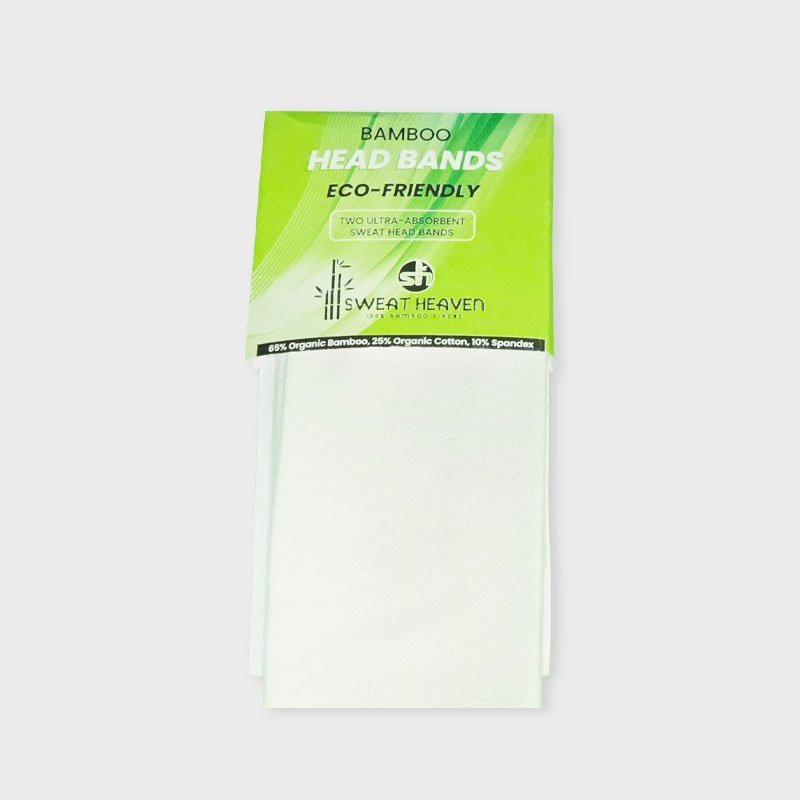
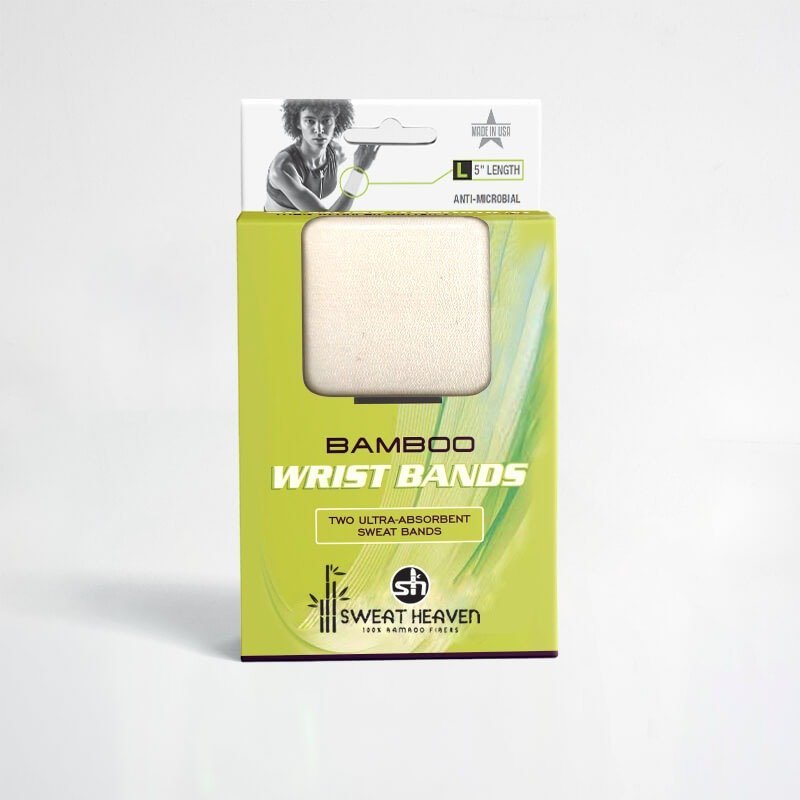
Performance accessories like bamboo wristbands and sweatbands offer another option for managing moisture during workouts.
Can Synthetic Blends Like Elastane Be GOTS Certified in Activewear?
Yes. Under strict GOTS guidelines, activewear and stretch garments can incorporate up to 5% synthetic fibers (such as elastane or spandex) under Grade 1 labeling, or up to 30% synthetic blends under Grade 2 labeling, provided those synthetic inputs meet non-toxicity criteria.
To maintain certification on a blended product:
The synthetic elastane cannot be treated with toxic chemical accelerants or hazardous processing oils.
The dominant natural fiber (e.g., 95% organic cotton) must still meet 100% of GOTS agricultural and processing rules.
The overall garment must retain full recyclability or biodegradable compatibility under updated textile directives.
How Does GOTS Organic Cotton Compare to Polyester for Sweat and Microplastics?
Synthetic activewear made from virgin or recycled polyester is petroleum-based. During heavy exercise, polyester traps body odor because synthetic fibers attract skin lipids and bacteria. Furthermore, synthetic garments shed microplastics in the wash.
GOTS-certified organic cotton activewear offers natural breathability, soft texture against open pores, and zero microplastic shedding during laundering.
6. Exposing Greenwashing: “GOTS-Certified Fabric” vs. “GOTS-Certified Garment”
As consumer demand for clean apparel grows, deceptive marketing tactics have increased.
How Do Brands Use GOTS Fabric to Mislead Shoppers on Garment Labels?
The most common greenwashing loophole occurs when a brand purchases GOTS-certified fabric from an audited mill, but then sends that fabric to an uncertified, un-audited garment factory to be cut and sewn.
  [Certified Organic Farm] ──> [Certified Fabric Mill] ──> [UNCERTIFIED Cut-and-Sew Factory] ──> ❌ UNVERIFIED GARMENT
                                                                                                 (Greenwashing Trap)
If the final sewing facility or brand does not hold its own valid Scope Certificate (SC), the finished garment cannot legally be sold as a “GOTS-Certified Product.” The chain of custody is broken the moment uncertified facilities handle the fabric.
How Do You Verify a Brand’s GOTS License Number in 3 Steps?
Follow this simple verification process to confirm authentic claims:
Step 1: Check Garment Tag ──> Step 2: Search Official Registry ──> Step 3: Validate Certificate Details
(Locate Logo & License #)     (Enter # in Public Database)        (Confirm Scope Matches Product)
Locate the Official Logo: Look for the green roundel icon on the physical tag or product page. It must display the certifier’s name (e.g., Control Union, Ecocert) and a specific license/certificate number directly beneath the graphic.
Search the Official Registry: Copy the license number and search it within the official GOTS Public Database.
Validate Scope & Expiry: Ensure the company status reads “Certified,” verify that the license is current, and confirm that the product category matches what you are purchasing.
7. What Are the New Due Diligence Rules in GOTS Version 8.0?
GOTS updates its global standards periodically to address emerging environmental risks and international regulations.
How Does GOTS 8.0 Target Microfiber Shedding and Supply Chain Risk?
The release of GOTS Version 8.0 introduces mandatory supply chain risk management aligned with the OECD Due Diligence Guidance for Responsible Supply Chains. Certified entities must now actively identify, assess, and prevent human rights and environmental risks across their sub-tier suppliers. Additionally, processing plants must implement operational controls to minimize microfiber shedding during wet manufacturing.
What Are the Updated Bans on PFAS “Forever Chemicals” in GOTS 8.0?
GOTS Version 8.0 enforces complete prohibitions on per- and polyfluoroalkyl substances (PFAS). The Manufacturing Restricted Substances List (MRSL) includes lower detection thresholds for hazardous chemical residues, ensuring that stain-resistant, water-repellent, or anti-odor finishes containing fluorinated compounds are barred from certified processing.
8. How Should You Wash and Care for GOTS-Certified Clothes?
Because GOTS-certified garments are processed without harsh chemical resins like formaldehyde, proper care preserves their natural softness and durability.
Does Cold Washing Prevent Organic Cotton Garments From Shrinking?
Yes. Conventional cotton garments often rely on toxic synthetic coatings to resist heat shrinkage. Because GOTS prohibits these chemical finishes, washing organic cotton in cold water ($30^\circ\text{C} / 86^\circ\text{F}$) prevents natural fiber contraction, preserves elasticity, and saves energy. Line drying or tumble drying on low heat maintains the structure of the garment.
What Type of Laundry Detergent Keeps Organic Fibers Non-Toxic?
Using conventional laundry detergents loaded with synthetic fragrances, optical brighteners, and chemical fabric softeners coats organic fibers in petroleum residues. To protect your skin and maintain fabric breathability:
Choose eco-friendly, plant-based laundry detergents free of synthetic dyes and artificial fragrances.
Avoid commercial liquid fabric softeners, which coat fibers in a hydrophobic wax layer that reduces sweat absorbency.
Use wool dryer balls instead of synthetic dryer sheets to soften clothes naturally.
9. Frequently Asked Questions (FAQ)
Is GOTS-certified clothing 100% chemical-free?
No. Processing raw fibers into soft, durable fabrics requires operational inputs like mild soaps, safe oxygen bleaches, and non-toxic dyes. GOTS ensures that every chemical input used is rigorously screened for environmental and human toxicity—banning carcinogens, heavy metals, and persistent toxins.
Does GOTS certification cover product packaging and polybags?
Yes. GOTS rules extend to packaging materials used for shipping and storage. Primary and secondary packaging cannot contain PVC plastics. Paper hangtags, retail boxes, and shipping cartons must incorporate post-consumer recycled content or come from certified sustainable forestry sources.
Can a brand claim GOTS certification if only their fabric supplier is certified?
No. This practice represents a common form of greenwashing. For a finished garment to carry the official GOTS label, every single link in the supply chain from the organic farm to the mill, the dyeing facility, the sewing factory, and the brand distributor must maintain active certification and undergo annual audits.
10. Upgrade Your Activewear to Verified Organic Comfort
Understanding textile certifications empowers you to make informed decisions for your health, skin, and environment. When you choose apparel verified by independent standards, you eliminate guesswork and greenwashing from your closet.
Ready to experience clean, chemical-free comfort during your workouts? Explore our collection of breathable, verified organic apparel and high-performance sweat accessories at Sweat Heaven today.