
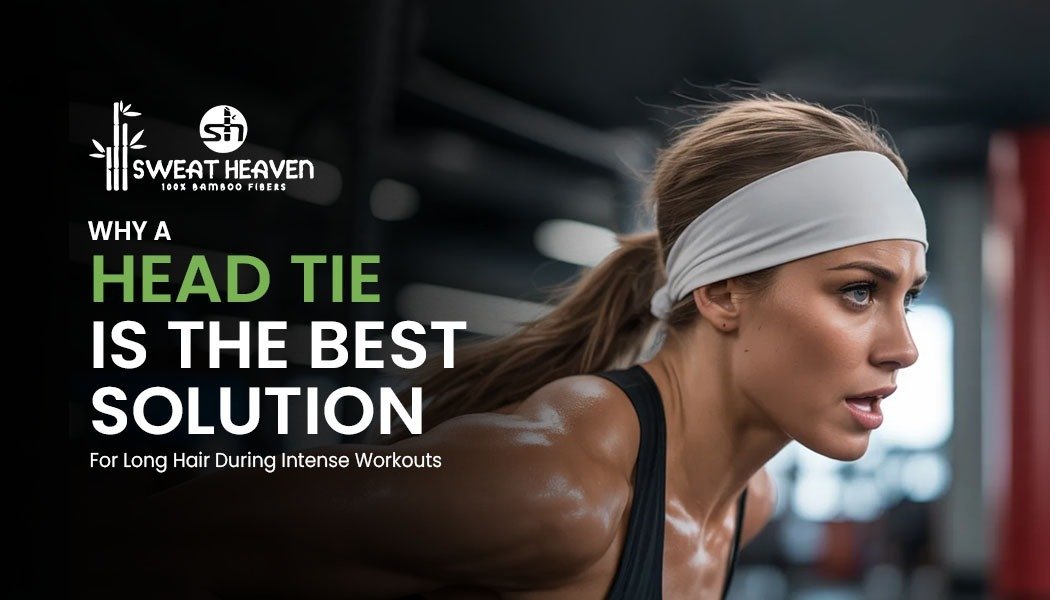
If you have long hair and train consistently, you already know the struggle.
It starts neatly tied. Ten minutes into your workout, strands begin slipping. Sweat builds at the roots. Your scalp feels heavy. Your ponytail loosens. You stop mid-set to fix your hair.
Again.
Most athletes focus on shoes, hydration, and recovery, but hair management is rarely discussed as a performance factor. Yet during intense workouts, poorly secured hair can cause:
- Repeated distractions
- Scalp stress
- Breakage
- Excess oil buildup
- Post-workout hygiene issues
The solution isn’t tighter elastics. It’s smarter support.
A properly designed head tie offers stability, sweat control, and protection without pulling, slipping, or damaging your hair.
Why Long Hair Suffers During Intense Workouts
When you exercise, your body produces sweat to regulate temperature. Your scalp is one of the most active sweat zones. For people with long hair, that moisture has nowhere to go.
Sweat accumulates at the roots, mixes with natural oils, and creates friction during movement.
According to Femme Mentor: Hair and Exercise Expert Tips, constant tying, tightening, and adjusting hairstyles during workouts increases mechanical stress on hair strands. This stress weakens the cuticle layer, leading to split ends and breakage over time.
Common issues long-haired athletes face:
- Traction from tight ponytails
- Frizz caused by sweat and friction
- Tangling from repetitive motion
- Scalp irritation
- Product buildup after frequent washing
Over time, this becomes more than a styling issue; it becomes hair health damage.
The Problem with Traditional Hair Ties
Standard elastics focus on one function: holding hair together.
They do not:
- Absorb sweat
- Reduce scalp friction
- Prevent flyaways
- Distribute pressure evenly
Tight ponytails create localized tension at one anchor point. During high-impact workouts like HIIT, CrossFit, or sprint training, this tension increases with every jump or stride.
That means the way you secure your hair matters more than you think.
What Makes a Head Tie Different?
A head tie works differently from a standard elastic.
Instead of pulling hair from a single point, it:
- Distributes pressure across a wider surface area
- Secures hair along the hairline
- Controls sweat before it saturates the roots
- Reduces repetitive tension
The Head Tie is designed to wrap comfortably without excessive tightness. It stabilizes hair while allowing natural movement, making it ideal for high-sweat sessions.
Unlike basic elastics, it supports both hair management and moisture control.
Sweat Control: The Overlooked Factor in Hair Damage
Sweat itself is not harmful, but when left sitting on the scalp, it creates problems.
According to Hair Ejuva: Protect Hair From Damage During Workouts, salt from sweat can dry out hair shafts, making strands more brittle. Combined with friction, this accelerates breakage.
A head tie absorbs sweat along the forehead and hairline, preventing it from repeatedly soaking the roots. This reduces:
- Scalp irritation
- Salt buildup
- Post-workout itchiness
- Excess washing frequency
Less washing means less shampoo stress, which helps preserve natural oils.
Stability During High-Impact Training
If you’ve ever done burpees, box jumps, or sprints with loose hair, you know the frustration. Hair movement becomes a distraction.
Every time you adjust your ponytail, you break the rhythm.
A properly secured head tie helps:
- Keep shorter layers in place
- Prevent front strands from falling into the eyes
- Stabilize hair during rapid direction changes
For athletes who prefer additional forehead coverage, pairing a head tie with a lightweight Head Band adds another layer of sweat management without increasing bulk.
The goal is stability without tightness.
Hygiene Matters: Post-Workout Hair Care
Sweat accumulation doesn’t end when your workout does.
According to Babyface: Post-Workout Hair Hygiene, leaving sweat in the scalp for extended periods may create an environment where bacteria thrive. This can lead to odor and scalp imbalance.
Using a head tie during workouts reduces the amount of moisture saturating your roots. That means:
- Faster drying time
- Less odor retention
- Healthier scalp environment
Combined with proper post-workout cleansing, this creates a sustainable routine for frequent trainers.
Psychological Performance Benefits
Hair slipping into your face during a heavy lift or sprint interval is more than annoying; it breaks concentration.
Focus is performance currency.
When you eliminate small distractions, you conserve mental energy. A stable head tie removes the need for mid-workout adjustments, allowing you to maintain:
- Breathing rhythm
- Movement efficiency
- Mental flow
Athletes often underestimate how much micro-interruptions affect endurance and intensity.
Comfort Without Compromise
Many athletes fear that switching from elastics to head ties will feel bulky or restrictive.
In reality, lightweight fabric designs provide:
- Breathability
- Gentle compression
- Flexible adjustability
Because pressure is distributed evenly, there is less strain at the hairline. This reduces tension headaches that sometimes result from overly tight ponytails.
Hair protection should not come at the cost of comfort.
Ideal for Multiple Training Styles
Head ties are especially beneficial for:
- CrossFit and HIIT
- Long-distance running
- Tennis and pickleball
- Cycling
- Yoga and pilates
In sports involving rapid head movement, they keep hair secure without requiring constant retightening.
If you train outdoors in heat, combining a head tie with sweat-wicking fabrics becomes even more important. For deeper insight into moisture management in performance gear, you can explore The Importance of Moisture Wicking Fabrics in Sports.
Fabric choice influences how efficiently sweat evaporates from both your skin and your hairline.
Long-Term Hair Health Benefits
Consistent intense training requires sustainable habits.
Over months of workouts, repeated stress from tight elastics can lead to:
- Hairline thinning
- Increased breakage
- Chronic scalp sensitivity
A head tie provides a long-term solution by reducing localized pulling and distributing tension.
Protecting your hair today prevents corrective damage control later.
How to Use a Head Tie Properly
For best results:
- Secure your hair loosely in a low ponytail or braid.
- Wrap the head tie along the hairline and tie comfortably.
- Ensure it feels secure but not tight.
- After your workout, remove it promptly and allow it to air dry.
Avoid tying it excessively tight; stability should come from coverage, not force.
Final Thoughts
Long hair should never be a barrier to intense training. But without proper management, it can become a source of distraction, breakage, and scalp stress.
A head tie offers:
- Even pressure distribution
- Sweat absorption
- Reduced hairline tension
- Better focus during workouts
- Improved long-term hair health
It’s not just an accessory. It’s protective performance support.
When your hair stays secure, your attention stays on the workout not on fixing your ponytail mid-set.
And in high-intensity training, uninterrupted focus makes all the difference.