
Ordering sports towels in bulk for your business is a different decision than picking one up off a shelf. Whether you’re outfitting a gym, stocking a pro shop, running a tournament vendor table, or buying for a team, your supplier affects everything that follows. That includes how the towels feel and whether you face compliance issues later. A cheap unit price means nothing at all if half the shipment arrives thin, scratchy, poorly stitched, or mislabeled.
This is where most buyers get it wrong. They compare price sheets side by side and assume the lowest number wins, without ever checking what is actually backing that number. Evaluate a reliable wholesale sports towel supplier like a long-term business partner. Look at material quality, documentation, consistency, and scalability. Make sure the supplier can handle your needs as order volume grows.
Why Supplier Selection Matters More Than Price
Procurement research consistently points to the same lesson, which is that centralizing your sourcing around a small number of vetted suppliers almost always outperforms chasing the cheapest quote every time. A recent Forbes analysis discusses how businesses evaluate suppliers. It highlights the problems caused by unmanaged “maverick spending.” This happens when teams switch between vendors to chase slightly better prices. A structured evaluation process can improve both pricing and reliability over time. Reordering from a supplier that already understands your specs, your timelines, and your quality bar is worth more than saving a few cents per unit from someone new.
That does not mean price is irrelevant, but it should be the last filter, not the first. Once you have confirmed a supplier meets your material and compliance standards, price and turnaround time become the deciding factors between two good options rather than the only thing you are comparing.
Material and Certification Standards to Verify
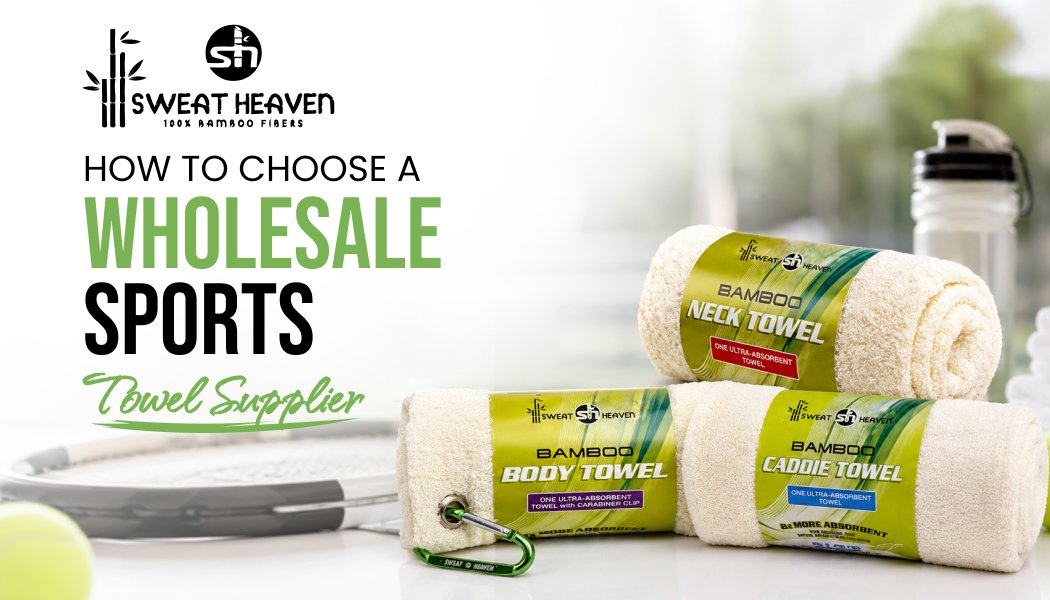
Fabric composition is where a lot of wholesale towel orders quietly go wrong. Vague terms on a spec sheet like “premium cotton blend” or “eco friendly” tell you almost nothing on their own. What you actually want is a supplier who can name the exact fiber and back it with documentation. Sweat Heaven’s own towels, for example, are made from 100% bamboo fiber, a detail we list plainly on every product page rather than folding it into generic marketing language.
Certifications matter just as much as fiber content. If a supplier claims its materials are non toxic, plastic free, or organic, ask for documentation. Find out which certifying body supports each claim. Don’t rely on a logo displayed on the supplier’s website. The same goes for claims like no microplastics, which should be verifiable rather than assumed. It also helps to know the broader safety standards a supplier is expected to meet in the first place. The Consumer Product Safety Commission’s guide to U.S. apparel and household textiles outlines key flammability, labeling, and safety requirements. It gives buyers a useful reference point when evaluating suppliers. A supplier who hesitates to produce this paperwork is telling you something important before you have even placed an order.
Compliance and Labeling Requirements
Beyond material claims, U.S. textile products carry legal labeling obligations that many smaller or overseas suppliers either misunderstand or skip entirely. The FTC’s guidance on Textile and Wool Acts explains the required labeling information. This includes fiber content, country of origin, and manufacturer identification. Use the guidance as a reference when reviewing a supplier’s labels. A supplier who cannot meet these basic disclosure requirements is a liability, not a bargain.
A quick way to test this in practice is to simply ask a prospective supplier to walk you through their own labeling process before you sign anything. How they answer, whether with specifics or vague reassurance, tells you almost as much as the paperwork itself.
Product Range and Consistency Across Categories
Most buyers do not just need towels. A gym or team is often also sourcing arm sweatbands, headbands, or a best tennis wristband option for retail alongside its towel order, and juggling three or four separate suppliers for products that should logically come from one source adds unnecessary friction. A supplier that manufactures its accessories from the same certified fiber can provide greater consistency. Customers get a similar feel and quality across towels, wristbands, and other products.
You can get a sense of this consistency by browsing a supplier’s own sport towels collection directly rather than relying on a sales deck, since it shows you real product photography, sizing, and how the line is actually organized for buyers.
Evaluating Minimum Order Quantities and Wholesale Terms
Minimum order quantities, lead times, and reorder flexibility are where a lot of promising suppliers fall apart in practice. A supplier that only offers rigid, high volume tiers may not be a fit if you are testing a new product line or restocking seasonally rather than committing to a massive standing order. Ask directly how their wholesale ordering process works, what the smallest viable order looks like, and how quickly they can turn around a reorder once you know a product performs well.
It is also worth asking what happens when something goes wrong, whether that is a damaged shipment, a sizing discrepancy, or a delay. A supplier’s wholesale terms should spell out how these situations are handled before you ever need to find out the hard way.
Where Skin Comfort Fits Into the Decision
If your towels are going into gyms, spas, or anywhere people are wiping sweat off their face repeatedly, softness is not a cosmetic detail. Rougher fabric increases friction against the skin, which matters for anyone with sensitive or breakout-prone skin. This is part of why bamboo fiber towels are often discussed as the best towel for acne prone and sensitive skin, since the fabric tends to be gentler and more breathable than coarser cotton blends. If this is relevant to your buyers, it is worth asking a supplier for a sample before committing to a full pallet, rather than trusting a spec sheet description alone.
The Right Supplier Feels Like a Partner, Not a Vendor
Once you check material sourcing, certifications, compliance, product range, and order flexibility, the differences become clear. Strong suppliers offer more than a low price on a spreadsheet. The ones worth building a long-term relationship with will usually explain their process without being pushed, since they have nothing to hide. If you want a closer look at how fabric choice plays out in a specific use case, our piece on carabiner clip towels for golfers walks through how material and design decisions show up in a single product category. Choosing a wholesale towel supplier is ultimately less about finding the lowest bid and more about finding the partner who will still be answering your calls a year from now.