
Most training advice about sweat focuses on performance. Athletes with eczema or psoriasis have another consideration: what is repeatedly touching their skin?
A towel rubs across the face and neck. A wristband sits against the same area throughout a workout. A headband combines sweat, heat, pressure, and friction around the forehead.
None of these products treats a skin condition. But when your skin is already reactive, the way you manage sweat and friction can matter.
This guide looks at what dermatology and eczema sources say about exercise, sweat, and skin irritation, plus what to consider when choosing everyday sweat gear.
What Sweat Can Do to Reactive Skin
Sweating is a normal part of exercise, but it can be uncomfortable for people with eczema.
WebMD’s guidance on exercising with atopic dermatitis explains that sweat contains water and minerals such as sodium. Fluid loss and the drying effects of sodium can contribute to dry, itchy skin for people with eczema.
WebMD recommends practical steps such as staying hydrated, wearing lightweight breathable fabrics, taking breaks, keeping a towel nearby, and taking warm or cool rather than hot showers after exercise.
The takeaway is not that athletes with eczema need to avoid sweating completely. Instead, pay attention to overheating, prolonged dampness, and how you remove sweat from sensitive areas.
Why Friction Matters Too
Sweat is only part of the picture. Repeated friction and pressure can matter too, particularly for people with psoriasis.
DermNet explains the Koebner phenomenon, where new lesions of an existing skin condition can develop at areas of skin injury. Psoriasis is one of the conditions commonly associated with this response, and DermNet lists friction and pressure among possible triggers.
Not everyone with psoriasis experiences the Koebner phenomenon, and individual responses vary.
For athletes, however, it gives you another reason to notice what repeatedly rubs against your skin. A rough towel dragged across the same area or a tight band that constantly presses one spot may create unnecessary irritation.
Instead of aggressively rubbing sweat away, gently blot it. If a wristband, headband, or other piece of gear consistently leaves your skin irritated or uncomfortable, reconsider its fit and material.
Fabric, Fit, and What Touches Your Skin
There is no single fabric that works for every person with eczema or psoriasis.
The National Eczema Association’s exercise guidance recommends loose, breathable clothing during workouts and notes that some synthetic fabrics can irritate sensitive skin. It also recommends blotting sweat away with a clean towel rather than rubbing.
That same practical thinking can be applied to smaller pieces of sweat gear.
Look for materials that feel soft against your skin, avoid unnecessarily tight fits, and pay attention to seams or edges that repeatedly rub the same spot.
Check the actual fiber composition too. A product name does not always tell you everything about the material, particularly when blends are involved.
SweatHeaven focuses on bamboo sports accessories. Our guide to bamboo body towels for sensitive skin looks more closely at bamboo fiber and what to consider when comparing towel materials.
The important distinction is that no fabric treats eczema or psoriasis. Material choice is about comfort, friction, sweat management, and your individual skin response.
Choosing a Towel for Sensitive Skin
A workout towel spends more time against your skin than you might realize.
Both WebMD and the National Eczema Association recommend having a towel available during exercise. NEA specifically advises gently blotting sweat away with a clean towel.
That technique matters.
Repeatedly scrubbing your face, neck, or arms adds friction at the exact moment your skin may already be hot and sweaty. Blotting lets the towel absorb moisture without the same repeated rubbing motion.
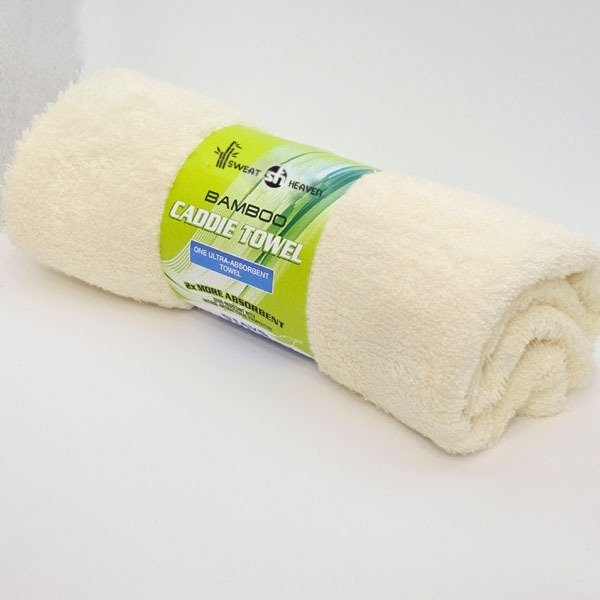
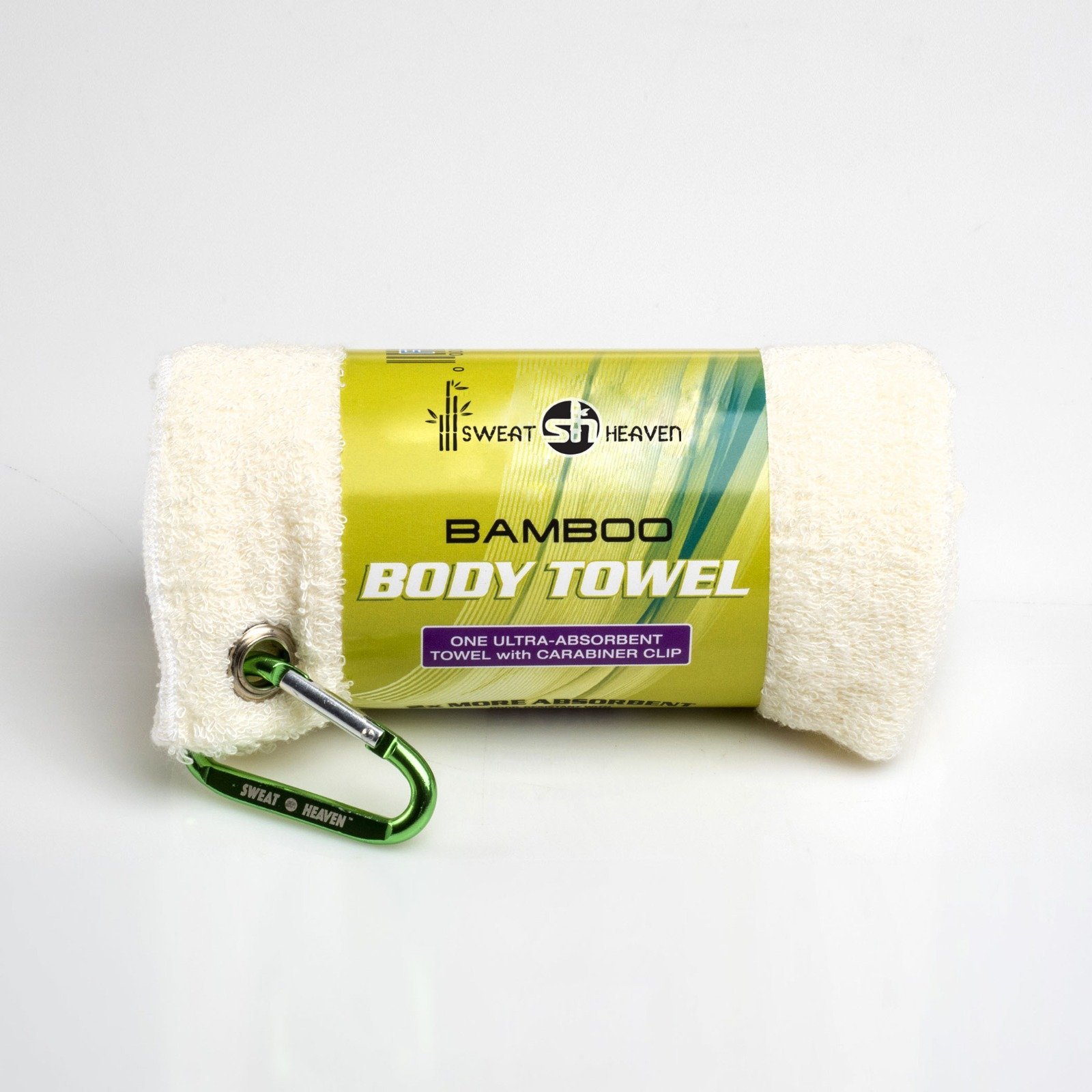
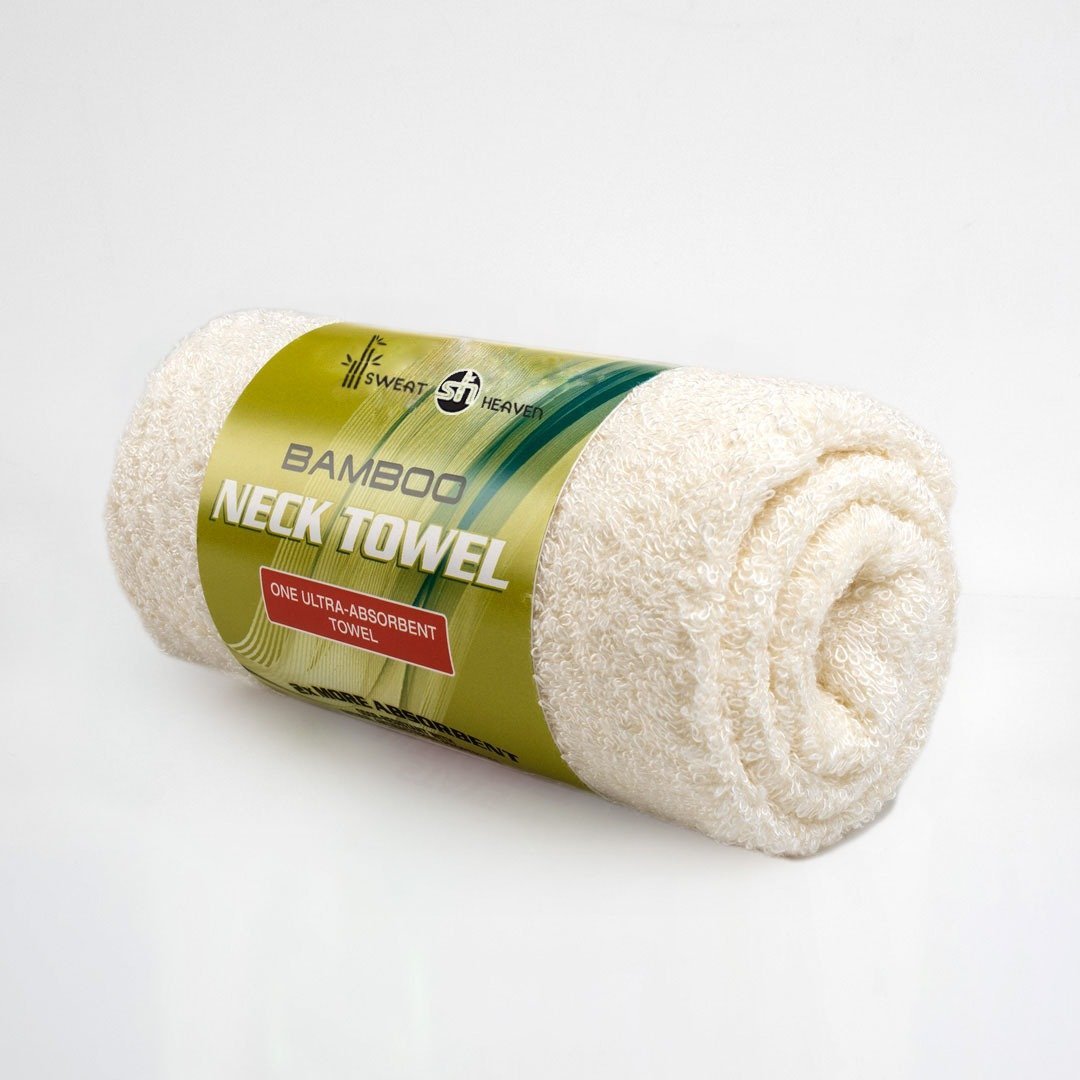
A SweatHeaven body towel is one bamboo option for athletes who prefer that fiber.
Whatever towel you choose, keep it clean and allow it to dry fully between uses. During longer sessions, changing to a fresh towel once the first becomes heavily damp may also be more comfortable.
If you are searching for the best towel for acne-prone and sensitive skin, remember that there is no universal winner. Prioritize softness, cleanliness, clear material information, and how your own skin responds.
Choosing Wristbands and Arm Sweatbands
The best tennis wristband for reactive skin is not necessarily the tightest or thickest one.
Start with fit. A wristband should stay in place without creating uncomfortable pressure or repeatedly rubbing the same patch of skin.
Look at the construction as well. Seams, edges, labels, and rough areas can become more noticeable during a long training session.
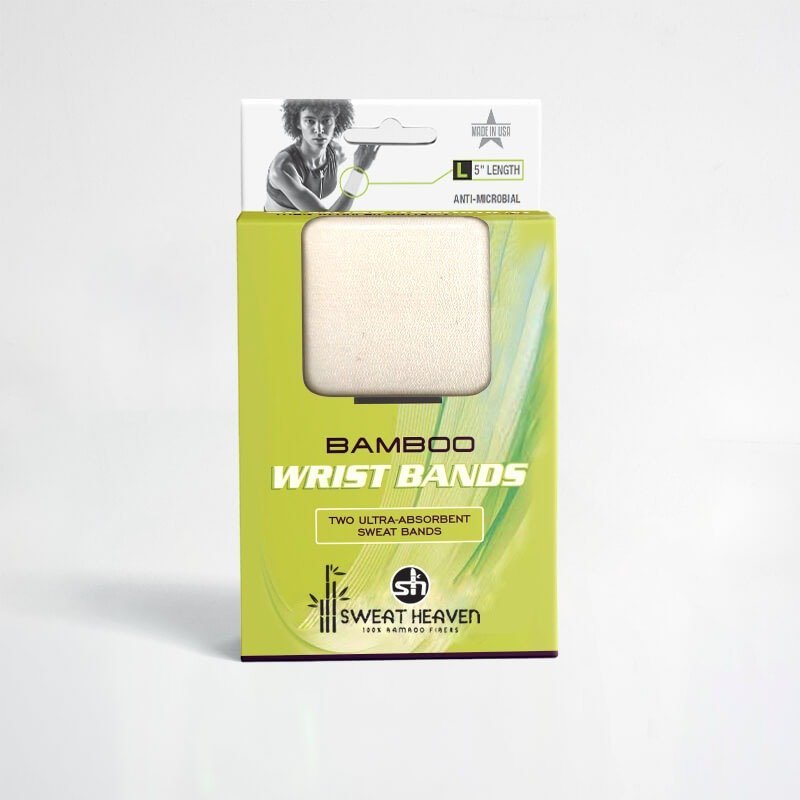
The SweatHeaven bamboo wristband provides another material option when comparing sports bands. As with a towel, comfort and individual skin response should matter more than marketing claims alone.
Arm sweatbands create a larger contact area, so keep them clean and change or remove them if they become heavily damp or start irritating your skin.
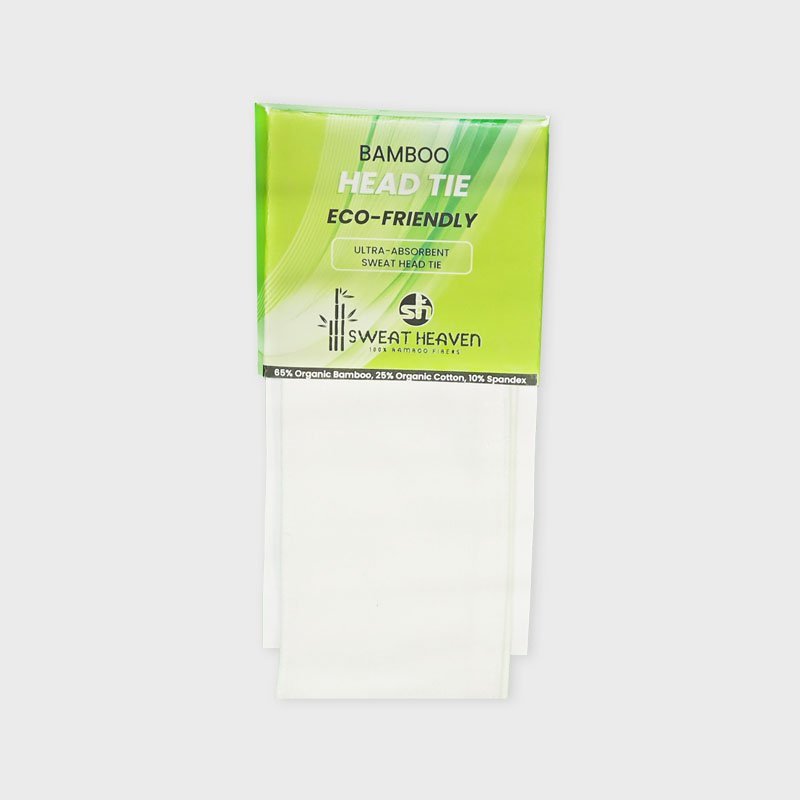
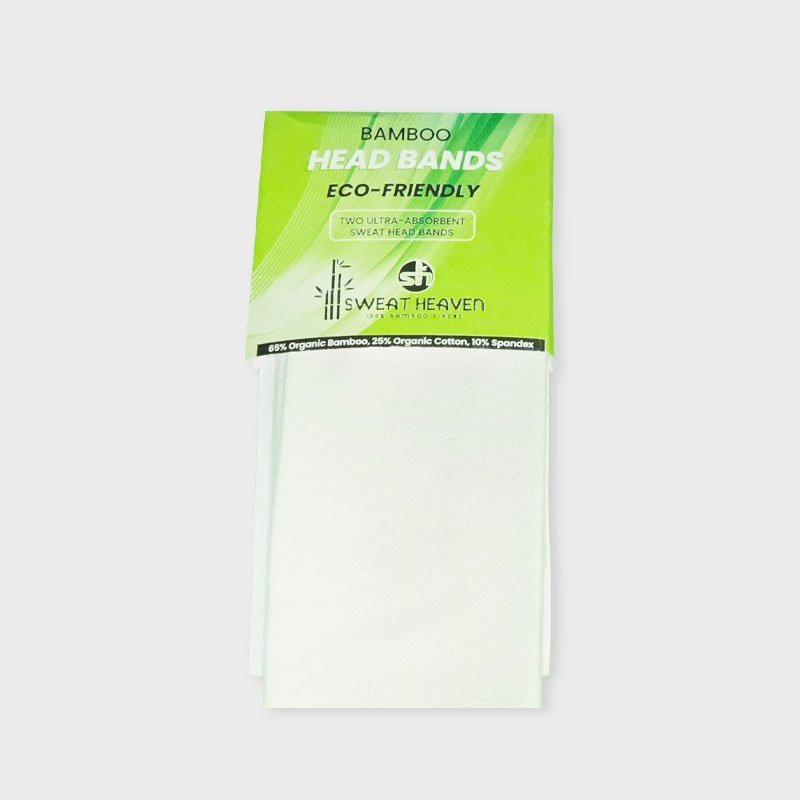
Headbands and head ties follow similar principles. Look for a comfortable fit and material that does not repeatedly rub the forehead or hairline.
Wash and Rotate Your Sweat Gear
Even comfortable gear can become unpleasant when it stays damp or is repeatedly reused without washing.
The National Eczema Association recommends keeping workout clothing loose and breathable and emphasizes managing sweat during exercise. It also recommends showering after workouts to rinse sweat from the skin.
Apply that same cleanliness mindset to reusable gear.
Wash towels, wristbands, arm sweatbands, and headbands regularly. If you know certain laundry products irritate your skin, use products that already work well for you rather than experimenting every time you wash your workout gear.
It can also help to own more than one towel or band. Rotating clean gear prevents you from having to reuse something that is still damp from the previous session.
If you are trying to identify what irritates your skin, change one variable at a time. Replacing your towel, detergent, wristband, and skincare products simultaneously makes it much harder to identify the cause of a reaction.
Keeping simple notes about your workouts, gear, and symptoms can also help you spot patterns worth discussing with your dermatologist.
Small Changes During Training Can Help
Gear is only one part of managing sweat during exercise.
The National Eczema Association recommends regular rest breaks, hydration, blotting away sweat, and choosing lower-impact exercise during a flare. Keeping your body from becoming excessively hot can also reduce the amount of sweat sitting against the skin.
That means your routine might include carrying a clean towel, taking short cooling breaks, changing a soaked wristband, or choosing lighter clothing when conditions are warm.
None of these steps guarantees that a flare will not happen. Eczema and psoriasis vary considerably from person to person.
The goal is simply to remove avoidable sources of discomfort while still allowing you to train.
Gear Is a Variable, Not a Treatment
Sweat gear cannot treat eczema or psoriasis, and changing your towel or wristband is not a substitute for medical care.
What you can control is unnecessary irritation.
Pay attention to how tightly the gear fits, how much it rubs, whether it stays wet against your skin, what its fiber label says, and how your skin responds after wearing it.
Start with simple habits: gently blot instead of scrub, stay hydrated, take cooling breaks when necessary, change out of heavily damp gear, and keep reusable items clean.
Then evaluate materials based on your own experience.
For athletes interested in bamboo alternatives, SweatHeaven offers bamboo towels, wristbands, and other sports accessories. Think of them as gear choices rather than treatments. Your dermatologist should still guide the management of eczema, psoriasis, or persistent skin irritation.
Frequently Asked Questions
It can for some people. WebMD explains that fluid loss and sodium in sweat can contribute to dryness and itching in people with eczema. Individual triggers vary, so pay attention to how your own skin responds during and after exercise.
Skin injury can trigger the Koebner phenomenon in some people with psoriasis. DermNet lists friction and pressure among possible triggers. Not everyone experiences this response.
There is no universally best fabric. The National Eczema Association recommends loose, breathable workout clothing and notes that some synthetic fabrics can irritate sensitive skin. For towels and bands, prioritize comfort, fit, cleanliness, and how your own skin responds.
Bamboo-based fabric may feel comfortable to some people, but it should not be presented as a treatment for eczema or psoriasis. Individual skin responses vary.
Look for a clean, soft towel that does not irritate your skin. Blot sweat rather than rubbing aggressively and wash the towel regularly. Persistent acne, eczema, or irritation should be discussed with a healthcare professional.
Look for a comfortable fit, smooth construction, and clearly disclosed materials. Avoid bands that repeatedly rub, feel excessively tight, or seem to worsen irritation. Keep them clean and change out of heavily damp gear.