
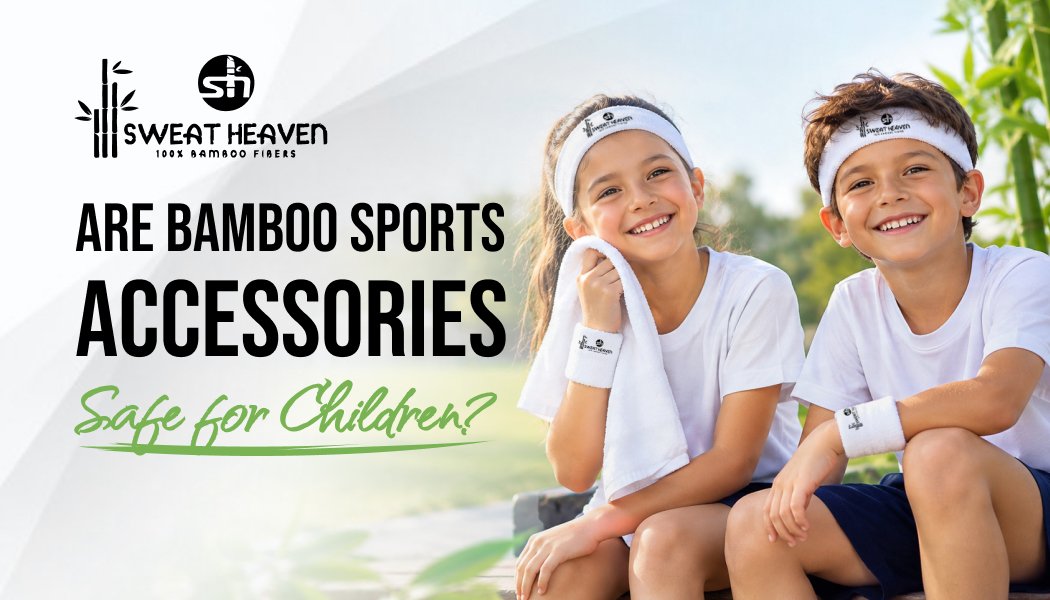
Parents shopping for a young athlete usually ask two questions first. Is it comfortable enough for a kid to actually wear without complaint? And is it genuinely safe for daily use, not just marketed that way? Sports towels, wristbands, and sweatbands rarely get the same scrutiny as clothing or toys, even though a child might wear one to school, to practice, or to a weekend tournament without much thought from anyone. But once a child wears one during practice several times a week, that scrutiny is fair.
We hear this question often enough that it deserves a real answer, not a marketing line. A number of our customers tell us our towels feel soft enough that they now use them for their kids too, not just for adult athletes. That feedback is encouraging, but softness alone does not answer the safety question, and we would rather give parents a straight answer than let a compliment turn into an unverified claim. What actually matters is the fiber itself, how manufacturers process it, what regulations apply to children’s products, and whether the label’s claims hold up to scrutiny.
What “Bamboo” Actually Means on a Label
Bamboo has become a popular marketing term. Before you assume every bamboo labeled product is the same, it helps to understand what the term actually describes. Sweat Heaven’s accessories use 100% bamboo fiber, but the manufacturing process matters just as much as the raw material. Most bamboo textiles, including bamboo viscose, go through a chemical process that turns the raw plant into soft, wearable fabric. Marketing copy often leaves that step out entirely, which can make a chemically processed fabric sound closer to raw plant material than it actually is. The FTC’s guidance on bamboo textile claims states that brands should not market bamboo-derived rayon or viscose as more environmentally friendly just because the starting material was bamboo. That distinction is exactly why we think transparency matters more than a buzzword.
Choking Hazards and Physical Safety Features
For any product marketed toward children, physical construction is usually the first safety checkpoint, separate from fabric content entirely, and it is worth checking before you even get to what the fabric is made of. Small attached pieces like beads, snaps, or decorative hardware can present a choking risk for younger kids. The CPSC’s guidance on small parts and choking hazards gives parents a useful reference when comparing sports accessories, since it explains what counts as a regulated small part and how brands should disclose that risk. Sports towels and wristbands are generally low risk here, simply because of their basic, single piece construction.
You can see that simplicity for yourself by browsing our best wristbands, where the designs stay deliberately free of loose trim, beads, or decorative hardware. Still, check any product for drawstrings, embellishments, or decorative attachments before handing it to a younger child, especially one still prone to putting things in their mouth during quieter moments off the field.
Federal Safety Standards for Children’s Products
Beyond choking hazards, children’s products sold in the United States must meet specific testing requirements around substances like lead and phthalates. Manufacturers sometimes use these chemicals in production, and repeated exposure can pose health risks. The federal regulation covering children’s products spells out testing thresholds for these substances, and it applies broadly across categories that touch a child’s skin regularly, not just traditional toys in the way most parents assume. Do not assume a soft or natural sounding fabric automatically complies, since fiber softness and chemical testing are two entirely separate questions. Ask whether a supplier tests against these standards instead, and expect a straightforward answer.
Skin Sensitivity and Dermatology Research
Children’s skin tends to react more than adult skin does, which is part of why fabric choice for kids often draws more attention than it does for grown athletes wearing the same style of product. Research in pediatric dermatology has specifically examined how textile design and fiber choice affect children with sensitive skin, looking at how texture, breathability, and construction influence comfort and irritation during physical activity.
This lines up with why people frequently describe bamboo fiber as the best towel for acne prone and sensitive skin, since the fabric tends to feel gentler against the skin than rougher synthetic blends do. If sensitive skin is a concern in your household, our best neck towels is a reasonable place to start comparing options, since every piece uses the same certified fiber rather than a mix of materials across the line, which makes comparing sizes and finishes far more straightforward.
What to Look for Before Choosing Accessories for Kids
Once you get past the marketing language, the checklist is fairly straightforward. Look for a clearly stated fiber content instead of a vague description, and stay cautious of claims like non toxic, plastic free, or organic with certification unless the brand names the specific certifying body behind them. The same goes for claims like no microplastics. A label alone should not be enough to back that up. A brand willing to answer direct questions about testing and certification is usually more trustworthy than one leaning on soft language alone, and that willingness is often the fastest way to tell the two apart.
Where Wristbands and Sweatbands Fit In
If your child already uses best arm sweatbands or a best tennis wristband during practice, it helps to understand how grip and moisture management actually work in that kind of product. We cover this in more detail in our piece on How a sweat absorbing wristband protects workout grip. The same fabric and construction principles that make a bamboo wristband genuinely useful for an adult athlete apply just as directly to a younger one, provided the sizing and fit suit a smaller wrist rather than being scaled down from an adult version as an afterthought.
Safety Starts With What You Can Verify, Not What Sounds Nice
Bamboo sports accessories can be a genuinely good option for kids, but that conclusion should come from checking fiber content, safety testing, and dermatology research, not from trusting a soft sounding word printed on a tag. The most reassuring products come from brands willing to explain their materials plainly instead of leaning on vague eco language, because that kind of transparency actually protects a child.
When a brand can answer specific questions about fiber processing, safety testing, and skin research without hesitation, that tells a parent far more than any label ever could, and it is the standard we hold ourselves to as well.