
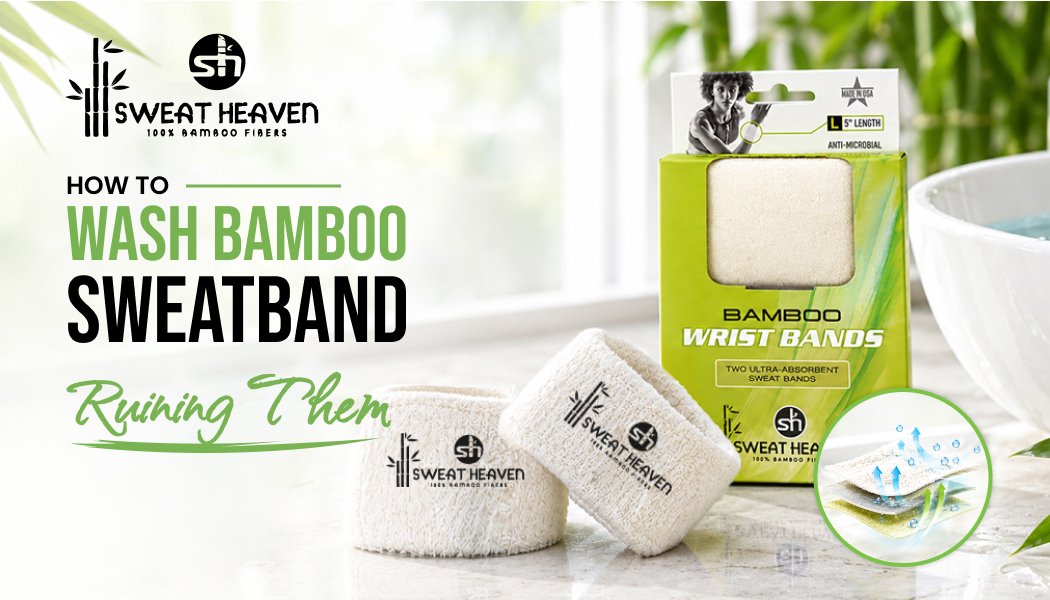
A bamboo sweatband that felt soft and comfortable when it was new can gradually become stiff, hold onto odors, or lose its shape when it is washed carelessly. Hot water, harsh detergents, fabric softener, and aggressive drying can all be harder on the material than necessary.
Fortunately, learning how to wash bamboo sweatbands does not require a complicated routine. Rinse them soon after a sweaty workout, wash gently with cool water and mild detergent, avoid bleach and fabric softener, and air dry whenever possible.
A few simple habits can help protect the softness, absorbency, and fit of your sweatbands between workouts, matches, and training sessions.
Why Sweatbands Need a Gentle Washing Routine
Sweatbands deal with more than occasional moisture. Whether worn around the wrist, arm, or forehead, they regularly come into contact with sweat, skin oils, sunscreen, and other products.
Leaving a damp sweatband inside a closed gym bag can also allow moisture and odors to linger. That makes prompt washing and complete drying particularly important.
Bamboo fabric itself should be treated gently. Cariloha’s bamboo care guidance recommends mild detergent, a gentle wash cycle, and avoiding extremely hot water. The company also describes its bamboo material as naturally odor-resistant and suggests a warm-water pre-soak for heavily soiled items.
The goal, therefore, is not to attack the fabric with hotter water or more detergent. A gentler routine helps clean the band without putting it through unnecessary stress.
SweatHeaven’s sweatbands are made with 100% bamboo fibers, so caring for the bamboo material properly should remain at the center of your washing routine.
How to Wash Bamboo Sweatbands Step by Step
Start by rinsing your sweatband in cool water after a particularly sweaty workout or match. A quick rinse can help remove some sweat and residue before the band sits in a laundry basket or gym bag.
When it is time for a full wash, follow these steps.
1. Use Cool Water
Choose cool water and a gentle wash cycle. Excessive heat is unnecessary for routine washing and may be harder on delicate fabrics over time.
If your sweatband has a care label, always follow those instructions first.
2. Choose a Mild Detergent
A strong detergent is not necessarily a better detergent for a small piece of athletic gear.
Bam & Stitch’s bamboo care instructions recommend using a mild detergent while avoiding bleach and fabric softener when caring for bamboo clothing.
Use an appropriate amount rather than adding extra detergent in an attempt to remove more sweat. A thorough rinse is just as important as the wash itself.
3. Protect the Band in the Machine
If you are machine washing several sweatbands, placing them inside a mesh laundry bag can help keep small items together and reduce unnecessary contact with zippers, hooks, or other hardware.
You can also wash them alongside other lightweight items rather than rougher clothing.
4. Hand Wash When Convenient
For one or two sweatbands, hand washing is an easy alternative.
Add a small amount of mild detergent to cool or lukewarm water and gently move the bands through the water. Rinse thoroughly afterward.
Instead of twisting or aggressively wringing the fabric, gently press out excess water.
How Often Should You Wash Bamboo Sweatbands?
There is no reason to wait until a sweatband smells noticeably dirty before washing it.
If the band becomes damp or heavily sweaty during tennis, running, pickleball, gym training, or another activity, washing it after use is a sensible routine.
This is especially important for headbands, which may also pick up sunscreen, hair products, and skin oils.
If you train frequently, owning several bands makes the routine easier. One can be washed and dried while another is ready for your next session.
The same principle applies during tournaments or long training days. Rather than repeatedly wearing a damp band, carry a spare and allow the used one to dry in an open, ventilated area until you can wash it properly.
Drying and Storing Bamboo Sweatbands
Washing is only half of the care routine. What happens afterward can also affect how your sweatband feels and fits.
Air drying is the gentlest approach. Lay the band flat on a clean towel or place it somewhere with good airflow away from excessive heat.
Avoid aggressively twisting or wringing a wet sweatband to make it dry faster. Gently pressing out moisture is a better approach.
If the product’s care label permits tumble drying, use the lowest appropriate setting and avoid unnecessary over-drying.
Before putting the band into a drawer, sports bag, or storage container, make sure it is completely dry. Storing damp athletic gear in an enclosed space can allow unpleasant odors to return.
For other bamboo products, SweatHeaven’s Guide to caring for bamboo fabric products provides additional maintenance tips for keeping bamboo gear in good condition.
Tennis Wristbands and Arm Sweatbands Need Regular Care
Different activities put different demands on sweatbands.
A tennis player may soak through a wristband during a long match, while someone lifting weights might expose an arm sweatband to repeated friction against equipment and skin.
For tennis, consider carrying an extra pair during longer matches or tournament days. A fresh band gives you something dry to switch into rather than repeatedly using one that is already saturated.
When choosing the best tennis wristband for your needs, absorbency, comfort, and fit all matter. Proper care also matters because even a well-made band can deteriorate faster when repeatedly exposed to harsh washing and drying.
The SweatHeaven bamboo wristband provides a 100% bamboo-fiber option for athletes looking for a soft, absorbent wristband.
Arm sweatbands used for running, pickleball, tennis, or gym sessions should receive the same gentle care. Check them periodically for thinning fabric, loose stitching, or changes in fit.
Eventually, all frequently used athletic gear needs replacing. If a band no longer stays comfortably in position or the material has become noticeably worn, it may be time for a fresh one.
Sweatbands and Sensitive Skin
Anything worn directly against sweaty skin deserves careful washing.
Sweat, skincare products, and detergent residue can remain in athletic fabrics when they are not rinsed thoroughly. For people with sensitive skin, keeping sweatbands clean and fully rinsed is therefore particularly important.
Use a mild detergent and make sure the band is thoroughly rinsed before wearing it again. Avoid sharing used sweatbands with other people, and rotate clean bands between workouts rather than repeatedly wearing a damp one.
The same thinking applies when shopping for the best towel for acne-prone and sensitive skin. Materials, cleanliness, washing products, and how frequently an item is reused all affect the experience of having fabric repeatedly touch the skin.
If skin irritation persists, however, changing a sweatband or detergent should not be treated as a substitute for professional medical advice.
Plastic-Free Materials and Microfiber Shedding
What athletic gear is made from can also affect what is released during washing.
Research indexed by PubMed on microfiber release during laundering has examined fibers released from textiles during washing, including synthetic materials such as polyester.
This distinction matters because synthetic fibers can contribute to concerns about plastic microfiber pollution.
SweatHeaven’s 100% bamboo-fiber construction provides an option for shoppers specifically looking to avoid polyester in their sweatbands. If you are shopping based on claims such as plastic free or no microplastics, check the complete product composition rather than relying only on how a fabric feels or is marketed.
Certification claims also need to be understood correctly. For example, OEKO-TEX STANDARD 100 relates to testing textiles for harmful substances; it should not be treated as another term for organic certification.
For any certification, the most useful approach is to confirm exactly which material or finished product is certified and what that particular standard covers.
Common Bamboo Sweatband Care Mistakes
Most sweatband-care mistakes come from trying to clean the item too aggressively.
Avoid unnecessarily hot washes, harsh bleach, and fabric softener unless the product’s own care instructions specifically say otherwise. More detergent is not automatically better either.
Another common mistake is forgetting a damp band inside a sports bag. Give used sweatbands airflow until you can wash them rather than sealing moisture inside.
Finally, always prioritize the manufacturer’s care label. General bamboo-care recommendations are useful, but the construction, dyes, stitching, and other details of an individual product can affect its recommended washing method.
A Simple Routine for Keeping Bamboo Sweatbands Fresh
Good sweatband care comes down to a few simple habits: rinse after sweaty sessions, wash gently, use mild detergent, dry thoroughly, and store the band only when it is completely dry.
There is no need to make the process complicated.
A consistent gentle-care routine helps protect the qualities you bought a bamboo sweatband for in the first place: softness, absorbency, and comfortable everyday wear.
When your current bands are ready for replacement, browse SweatHeaven’s bamboo wristband and sweatband collection to find options for tennis, training, running, and other activities.
Frequently Asked Questions
Yes, if the product's care instructions allow machine washing. Use cool water, a gentle cycle, and mild detergent. A mesh laundry bag can also help protect small bands from unnecessary contact with zippers or other hardware.
Heat and improper care can affect the dimensions and shape of some fabrics. To protect your sweatband, follow its care label, avoid unnecessarily hot washing or drying, and choose gentler methods whenever the manufacturer recommends them.
Choose a mild detergent suitable for delicate fabrics and use only the amount needed. Bamboo-care guidance commonly recommends avoiding bleach and fabric softener. Always check the sweatband's own care label for product-specific instructions.
Air drying is generally the gentlest option. If your sweatband's care label allows machine drying, use the lowest appropriate setting and avoid over-drying. The manufacturer's instructions should always take priority over general fabric-care recommendations.
Wash a sweatband after a session that leaves it heavily sweaty or damp. Regular washing prevents sweat, skin oils, sunscreen, and other residue from remaining on material that will sit directly against your skin during the next workout.
Lingering odor may indicate that sweat, body oils, detergent residue, or moisture remains in the fabric. Rinse the band thoroughly and allow it to dry completely before storing it in a drawer or sports bag.